Stepping Back in Time: Discovering Vero Beach’s Historic Charm and Cultural Roots
Vero Beach, a jewel on Florida’s Treasure Coast, is often celebrated for its pristine beaches and lush natural beauty. Yet, beneath the shimmering surface of its coastal allure lies a rich tapestry of history, architectural marvels, and deep-seated cultural roots that define its unique character. Far from being just a sun-drenched paradise, Vero Beach invites curious explorers to journey through time, uncovering the stories etched into its distinct districts and iconic landmarks.
Old Vero: The Heartbeat of Early Beginnings
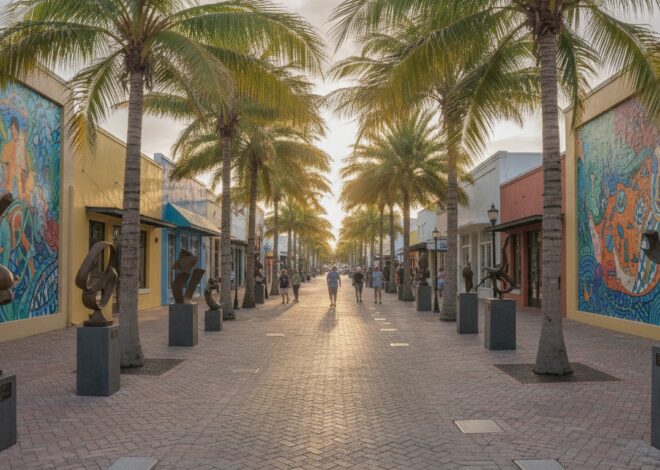
To truly understand Vero Beach, one must start in the historic heart of its downtown. What began as a humble agricultural settlement in the early 20th century has blossomed into a vibrant urban core, yet it proudly retains much of its original charm. Stroll along 14th Avenue and its surrounding streets, and you’ll encounter a captivating blend of early Florida architecture – from quaint bungalows with wide, inviting porches to more stately structures that harken back to the city’s formative years.
This district, often referred to as ‘Old Vero,’ pulses with a unique energy. Many of the original buildings, once homes or small businesses, have been lovingly restored and repurposed, now housing an eclectic array of boutiques, antique shops, and local eateries. The architectural details – the intricate brickwork, the classic window frames, the enduring strength of the materials – tell tales of the pioneers who first shaped this community, laying the groundwork for the cultural hub it is today.
The 14th Avenue Corridor: Where History Meets Modern Artistry
Within this historic framework, the 14th Avenue corridor stands out as a nexus of local artistry and community spirit. While the buildings themselves are steeped in history, their interiors often burst with contemporary creativity. Art galleries have found a natural home here, showcasing local and regional talent within spaces that echo with the past. This harmonious blend creates an immersive experience, where the history of the walls enhances the modern narratives of the art displayed within.
Beachside Beginnings: Ocean Drive’s Enduring Legacy
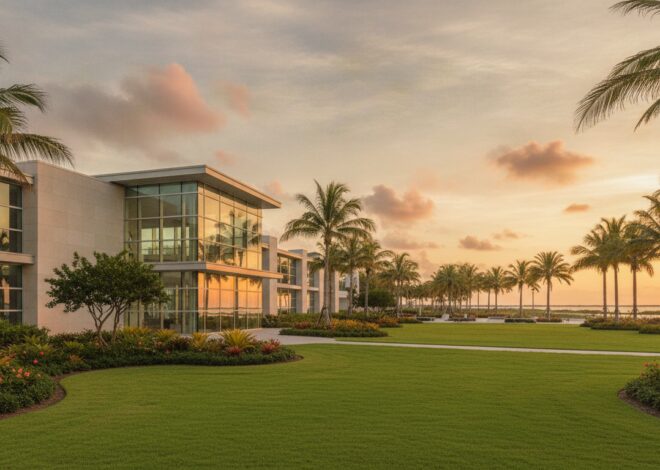
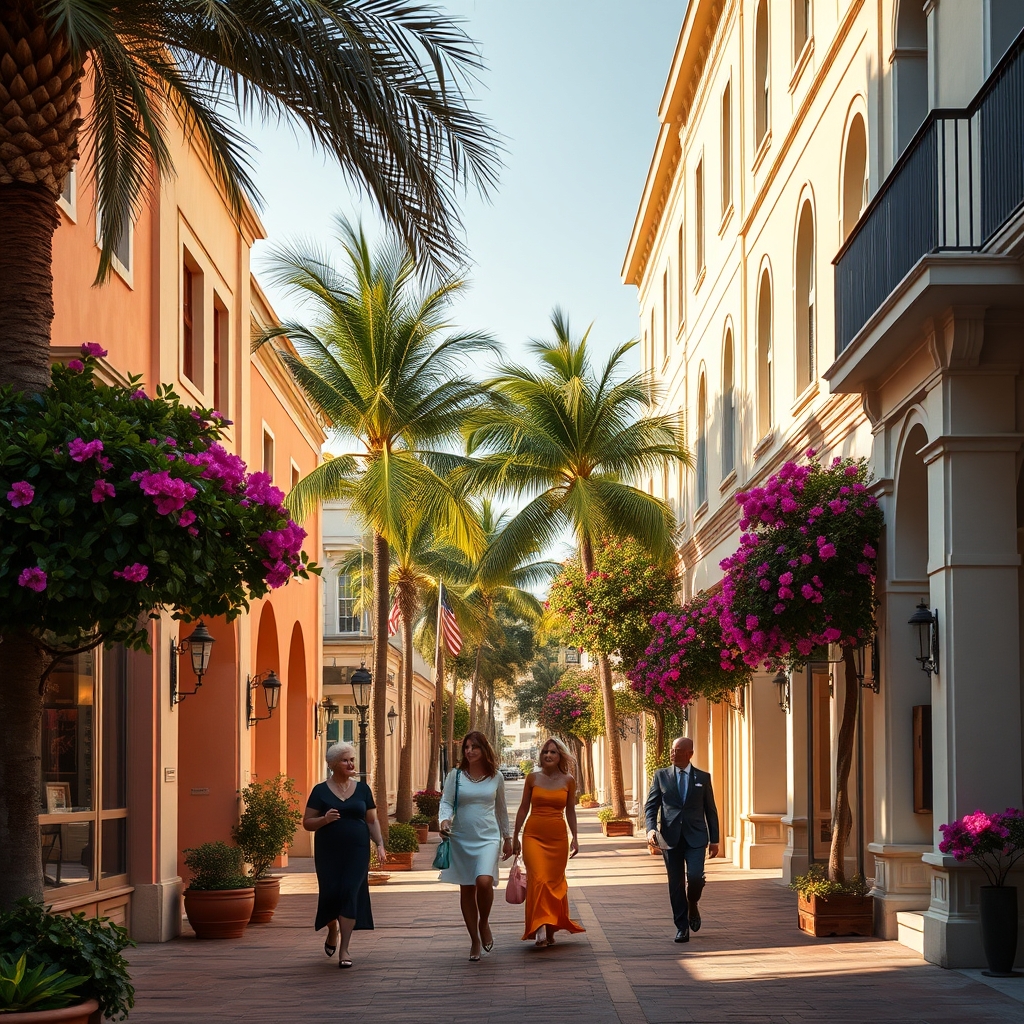
Across the Indian River Lagoon, Vero’s barrier island tells another chapter of its historical narrative. Ocean Drive, now a bustling promenade of upscale shops and restaurants, was once the site of early resorts and grand hotels that put Vero Beach on the map as a desirable tourist destination. The architectural influences here often lean towards Mediterranean Revival and Art Deco, reflecting the stylish aspirations of early 20th-century Florida tourism.
Iconic structures, some still standing and others remembered through photographs, speak to an era of elegance and leisure. The very layout of Ocean Drive, with its thoughtful public spaces and direct access to the ocean, was designed to maximize the area’s natural beauty, a testament to forward-thinking urban planning that recognized the intrinsic value of coastal vistas. This historic foresight continues to benefit residents and visitors alike, preserving the idyllic charm that first drew people to Vero‘s shores.
Cultural Anchors with Deep Historical Roots
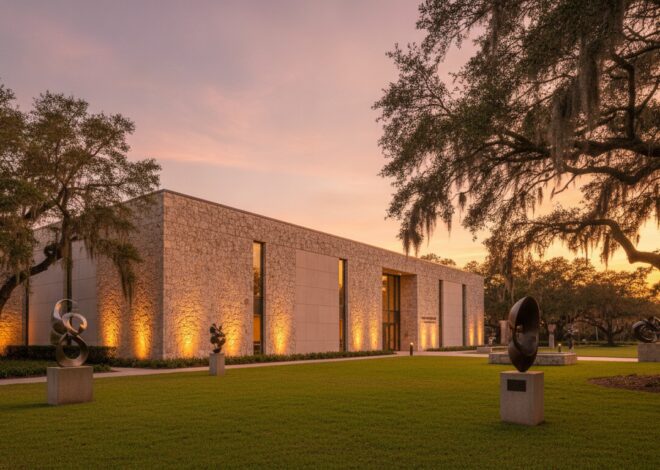
Vero Beach’s cultural institutions, while offering world-class contemporary experiences, are also deeply intertwined with the city’s historical evolution. The Vero Beach Museum of Art, for instance, has grown into a leading cultural beacon, but its establishment and growth reflect the community’s long-standing commitment to enriching the lives of its residents through art and education. Similarly, the Riverside Theatre, Florida’s largest professional producing theatre, has been a cornerstone of entertainment and cultural engagement for decades, building upon a tradition of community involvement that dates back to Vero’s earliest days.
These institutions, alongside numerous smaller galleries and community groups, are not isolated entities but rather integral parts of Vero Beach’s unfolding story. They represent the living legacy of a community that has always valued beauty, expression, and shared experiences, continually building upon the foundations laid by previous generations.
Preserving the Past, Embracing the Future
Vero Beach’s commitment to its heritage is evident in its ongoing efforts to preserve its architectural landmarks and celebrate its cultural traditions. From the careful restoration of historic homes to the vibrant public art installations that often nod to the city’s past, there’s a conscious balance between honoring what came before and embracing modern growth. Exploring Vero Beach means discovering these layers – the whispers of history beneath the lively modern pulse, the enduring structures that tell tales of resilience, and the vibrant Vero Beach arts and culture scene that continues to evolve within this rich historical context.
Want to stay connected with everything happening on the local stage? Explore our directory pages at visitverobeach.org or contact our local spotlight team at spotlight@visitverobeach.org to feature your upcoming cultural event.
Frequently Asked Questions About Vero Beach’s Historic Charm
What architectural styles are prominent in Vero Beach’s historic districts?
Vero Beach showcases a range of architectural styles, particularly in its historic downtown and beachside areas. You’ll find charming early 20th-century Florida bungalows, Mediterranean Revival influences, and touches of Art Deco, reflecting different periods of growth and development.
Where can I learn more about Vero Beach’s early history?
Local historical societies and the Indian River County Main Library often host archives and exhibits detailing Vero Beach’s fascinating past. Walking tours of the historic downtown area are also an excellent way to experience the city’s heritage firsthand.
Are there any specific landmarks I should look for when exploring historic Vero Beach?
When exploring, keep an eye out for structures along 14th Avenue in the downtown area, which often feature classic early 20th-century commercial and residential architecture. On the barrier island, note the classic designs of some of the older hotels and residences along Ocean Drive, which reflect the city’s early resort town aspirations.