
Paddling and Pathways: A Guide to Vero Beach Lagoon Adventures
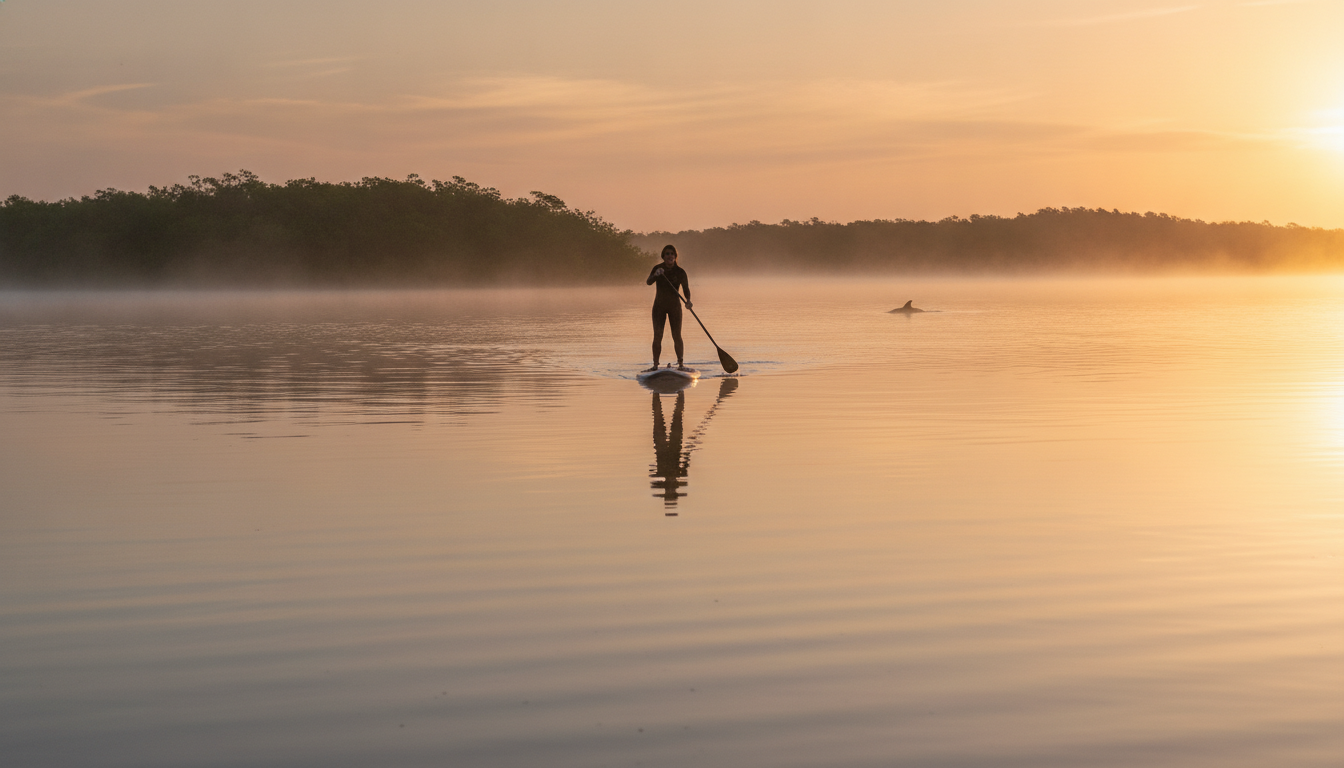
As the morning sun crests the horizon, casting a warm golden glow across the Treasure Coast, a quiet magic unfolds along the Indian River Lagoon. The water, calm as a sheet of glass, reflects the soft pinks and oranges of the sky while a gentle mist rises from the mangrove-lined shores. For locals and visitors alike, this biodiverse estuary is not just a scenic backdrop—it is the beating heart of the region’s active lifestyle. The lagoon offers an unparalleled sanctuary for those looking to immerse themselves in nature, making it the ultimate playground for outdoor recreation on the Treasure Coast.
While the oceanfront boasts spectacular beaches and parks, the lagoon offers a calmer, more intimate encounter with Florida’s coastal wilderness. Spanning over 150 miles along the state’s east coast, this estuary is home to thousands of plant and animal species, making every excursion onto the water a unique journey of discovery. Whether you are gliding silently through a canopy of red mangroves or watching a pod of bottlenose dolphins play in the wake of your boat, the lagoon invites you to slow down and connect with the natural world.
Gliding Through the Mangroves: Kayaking and Paddleboarding
There is perhaps no better way to experience the quiet majesty of the Indian River Lagoon than from the low-profile vantage point of a kayak or stand-up paddleboard. Paddlers can easily slip into shallow, winding backwaters that are completely inaccessible to larger motorized vessels. Here, the hum of daily life fades away, replaced by the gentle splash of a paddle and the rustle of wind through the salt-tolerant leaves.
Exploring Hidden Canopy Trails
Vero Beach is home to several renowned launch points that lead directly into intricate mangrove mazes. Paddling through these shaded tunnels feels like entering an enchanted, flooded forest. The arching roots of the red mangroves form natural canopies overhead, filtering the Florida sunlight into a dappled mosaic of green and gold. As you navigate these peaceful corridors, look closely at the roots beneath the water’s surface; they serve as vital nurseries for tiny fish, crabs, and oysters, showcasing the rich biodiversity of this delicate ecosystem.
The Rise of Stand-Up Paddleboarding
For those seeking a bit of a core workout alongside their sightseeing, stand-up paddleboarding (SUP) has become a local favorite. Standing upright provides an excellent vantage point for spotting marine life just beneath the surface. It is not uncommon for paddleboarders to find themselves floating alongside a gentle West Indian manatee grazing on seagrass, or to watch a stingray glide effortlessly across the sandy bottom. The calm, protected waters of the lagoon make it an ideal environment for beginners to find their balance, while experienced paddlers can challenge themselves against the gentle coastal breezes.
Setting Sail and Powering Ahead: Boating on the Lagoon
For those who prefer a faster pace or wish to cover more territory, boating is a cornerstone of the local lifestyle. The Intracoastal Waterway runs directly through the lagoon, offering a well-marked highway for pontoon boats, center consoles, sailboats, and yachts. Boaters can spend the day cruising past elegant waterfront estates, anchoring near pristine spoil islands, or pulling up to dockside restaurants for a fresh seafood lunch.
Spoil Island Adventures
Dotting the waters of the Indian River Lagoon are numerous spoil islands—small patches of land created decades ago during the dredging of the channel. Today, many of these islands have been transformed into public recreational havens. Boaters can drop anchor, wade ashore, and spend the afternoon picnicking under the shade of pine trees, beachcombing, or casting a fishing line into the deeper channels. These islands offer a true “castaway” experience just minutes from the mainland.
A Haven for Wildlife Enthusiasts
Those seeking the most memorable things to do in Vero Beach will find that the water provides a front-row seat to some of the best wildlife viewing in North America. Because the lagoon sits at the intersection of temperate and subtropical climates, it supports an astonishing variety of life.
Birdwatchers will find themselves in paradise. The skies and shorelines are constantly alive with activity. Majestic brown and white pelicans dive-bomb the water for fish, while elegant snowy egrets, great blue herons, and roseate spoonbills stalk the shallow mudflats in search of a meal. During the winter months, the lagoon serves as a vital stopover for migratory waterfowl, adding even more diversity to the avian landscape.
Embrace the Waterfront Lifestyle
The magic of the Indian River Lagoon lies in its accessibility and its power to rejuvenate the spirit. Whether you are embarking on a solo sunrise paddle, enjoying a sunset sail with family, or simply sitting on a shoreline bench watching the tide roll in, the lagoon offers a sanctuary of peace and adventure.
Ready to step outside and experience the absolute best of our coastal environment? Explore our comprehensive recreation guides and maps at visitverobeach.org, or contact our spotlight team at info@visitverobeach.org to feature your outdoor excursion or rental business.
Frequently Asked Questions
What is the best time of day to go kayaking or paddleboarding on the lagoon?
Early morning is generally considered the ideal time for paddling. The winds are typically calmest at dawn, resulting in smooth, glassy water conditions that make paddling easier and improve underwater visibility for spotting marine life. Additionally, wildlife tends to be highly active during the cooler morning hours.
Are there specific areas of the lagoon designated for motorized boats versus non-motorized vessels?
Yes, the lagoon features a variety of zones to ensure safety and conservation. While motorized boats utilize the deeper Intracoastal Waterway and open channels, there are numerous shallow flats, mangrove tunnels, and designated slow-speed manatee zones where non-motorized paddlers can explore safely away from heavy boat traffic.
What kind of wildlife can I realistically expect to see during a typical lagoon excursion?
Depending on the season, visitors frequently encounter bottlenose dolphins, West Indian manatees, horseshoe crabs, and a vast array of coastal birds including herons, egrets, ospreys, and pelicans. The estuary is teeming with life, making every trip unique.


