Wildlife and Wetlands: The Best Photo Spots in and Around Vero Beach
In Vero Beach, the landscape seems built for the lens: soft coastal light skimming over the Indian River Lagoon, sawgrass moving in the breeze, mangrove roots drawing lace-like patterns in the mud, and birds flashing white against a sky that can shift from pearl gray to blazing gold in a matter of minutes. For photographers, this stretch of the Treasure Coast offers a rare mix of wild quiet and vibrant color, where every trail, overlook, and boardwalk can become a frame worth keeping.
Why Vero Beach is a dream for nature photography
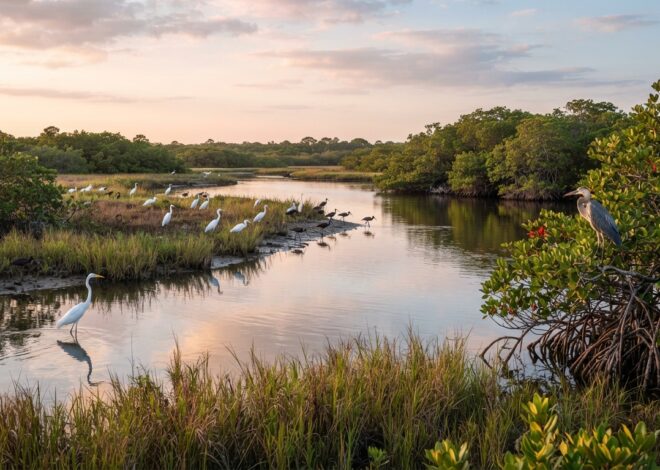
The beauty here is not just in the big scenic moments, but in the small ones. A roseate spoonbill lifting off the water. A great blue heron standing like a sculpture at the edge of the marsh. Reflections of cloud-streaked sky shimmering through calm estuary water. The Vero Beach area rewards patient photographers with a layered palette of greens, blues, silvers, and sunset pinks, especially in the early morning and late afternoon when the light feels softer and more cinematic.
Whether you prefer expansive lagoon views or intimate close-ups of birds and wetland textures, the surrounding preserves offer a variety of settings that feel different from one another yet unmistakably connected by water, sky, and wildlife.
Pelican Island National Wildlife Refuge: a classic Treasure Coast backdrop
As one of the region’s most iconic wildlife settings, Pelican Island National Wildlife Refuge delivers the kind of scene that feels almost untouched. Here, the calm of the lagoon and the low, marshy horizon create endless opportunities for minimalist compositions, especially when birds gather along the shoreline or drift across mirrored water. This is a place to slow down and look for movement: wading birds feeding in the shallows, ospreys scanning from above, and changing cloud reflections that can transform a simple water view into something painterly.
The best photos often come from lingering near overlook points and scanning the edges of the water rather than chasing the obvious. Early light brings definition to feathers and reeds, while late-day glow can turn the entire refuge into a warm wash of gold and green.
Environmental Learning Center: boardwalks, mangroves, and reflections
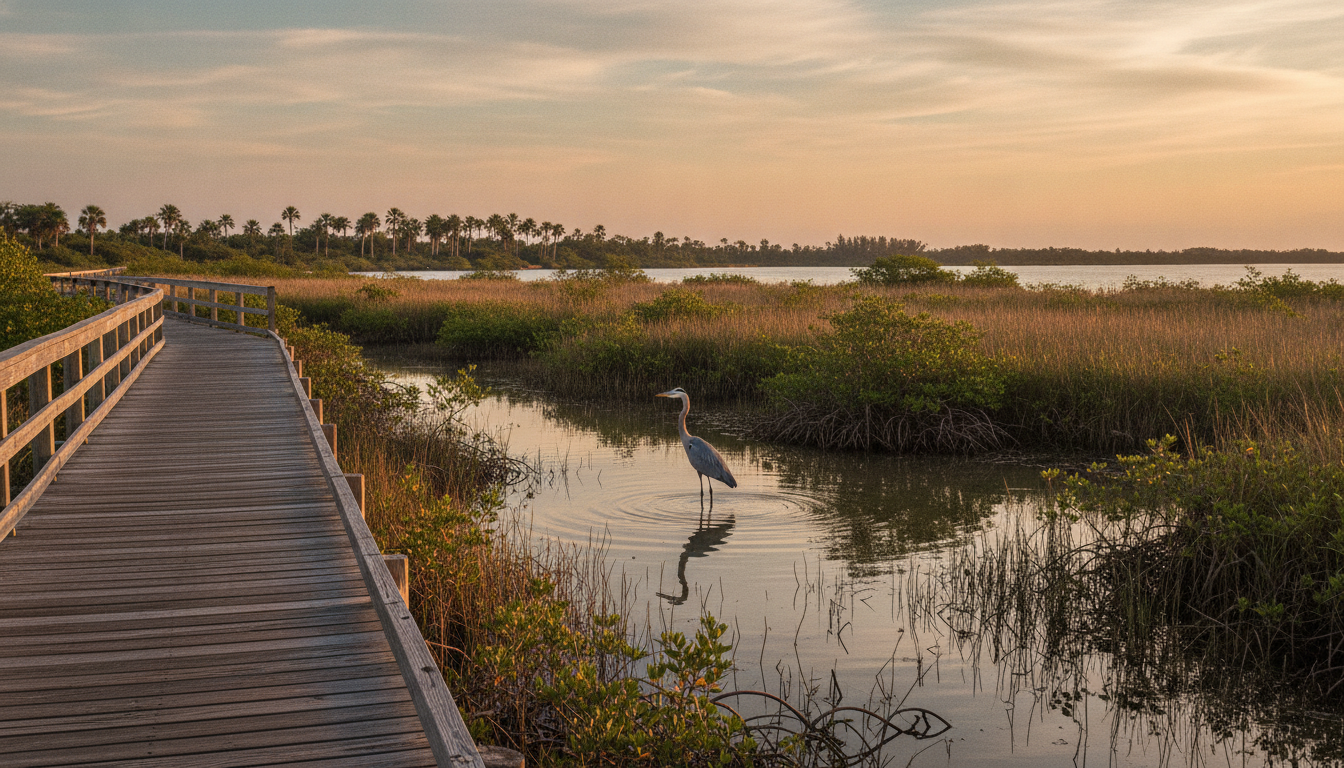
If you love layered compositions and close-range nature detail, the Environmental Learning Center is a standout. Its boardwalks and lagoon-side paths guide you through mangrove tunnels, still-water pockets, and open views where the sky seems to spill right into the river. The textures here are especially photogenic: tangled roots, weathered wood, glossy leaves, and the delicate ripples that catch light with every passing breeze.
This is one of the best places to photograph the interplay between habitat and habitat edge. Look for frames that include foreground mangrove roots leading into open water, or use boardwalk railings to create natural lines toward birds in the distance. On calm mornings, the reflections can be so clean they double the scene, making even a simple patch of marsh feel immersive and deep.
Oslo Riverfront Conservation Area: quiet trails and river glow
For photographers who enjoy a more secluded feel, Oslo Riverfront Conservation Area offers a peaceful blend of river views, native vegetation, and wildlife sightings. The atmosphere here is gentler and more intimate, with shaded trails that open onto bright river edges and small clearings where the light filters through the trees. It is an excellent place for environmental portraits, bird photography, and detail shots that capture the texture of the Florida landscape.
Because the setting changes so beautifully with the angle of the sun, visit when the light is low and angled across the water. That is when tree trunks, grasses, and shoreline edges gain definition, and the river surface turns luminous without becoming harsh. If you are drawn to quiet scenes with a sense of place, Oslo Riverfront is the kind of location that can fill a memory card quickly.
Round Island Riverside Park: wildlife on the water’s edge
Round Island Riverside Park pairs open water with easy wildlife watching, making it a favorite for photographers who want both broad scenic views and close encounters. The shoreline often feels alive with bird activity, and the open perspectives are ideal for capturing silhouettes, wing spreads, and the subtle colors that appear when sun and water meet. On bright days, the contrast between the deep blue lagoon and the pale feathers of wading birds creates a striking natural palette.
This is also a great place to watch how the weather shapes the image. Morning may bring a still, pastel look; late afternoon can deliver warmer tones and long shadows; and after passing rain, the air often clears into a crisp, polished version of the coast. Bring your patience, because the wildlife action here often comes in quiet, rewarding bursts.
Wabasso Causeway and lagoon overlooks: wide views with room to breathe
For wide compositions that show the scale of the Treasure Coast, the lagoon overlooks around Wabasso Causeway are hard to beat. These views open the frame in a way that feels expansive and airy, with water stretching toward the horizon and bird activity unfolding across the surface. It is the kind of place where a few well-placed elements, like a lone heron, a drifting cloud bank, or a line of mangroves, can define the entire image.
Sunrise and sunset are especially powerful here because the horizon is broad and unobstructed. Soft color often lingers longer than expected, and the changing sky can become as important as the water itself. For photographers who love negative space and clean composition, these overlooks offer the breathing room that makes a landscape feel elegant.
Tips for photographing the wetlands around Vero Beach
Arrive early when the air is quiet and the wildlife is active. Carry a lens or composition mindset that lets you work both wide and tight, because the best images here may be found in a sweeping view one minute and a tiny detail in the reeds the next. Watch the weather closely: calm mornings bring soft reflections, while dramatic afternoon clouds can add texture and mood. Seasonal changes matter too, with winter often bringing more comfortable conditions and migratory birds, while summer turns everything lush and vivid after rain.
Most importantly, give yourself time to observe. The Treasure Coast rewards photographers who let the landscape reveal itself gradually.
FAQ
Where is the easiest place to park for wetland photography in Vero Beach?
Look for designated public parking at major preserves, trailheads, and riverside parks. Availability varies by location and time of day, so arriving early usually makes access easier.
What time of day is best for bird and marsh photography?
Early morning and late afternoon usually offer the most flattering light and the most active wildlife. Cloudy days can also be excellent for preserving color and detail.
Does the scenery change much by season?
Yes. Winter can bring drier trails and more migratory birds, while summer adds richer greens, dramatic skies, and occasional storm light that can make wetlands feel especially vivid.
Did you capture the perfect Treasure Coast shot? We want to see it! Explore more scenic inspiration at visitverobeach.org, or contact our spotlight team to feature your photography in our upcoming local gallery.