Capturing Florida’s Untamed Heart: A Photographer’s Guide to Vero Beach’s Wetlands & Wildlife
Vero Beach, a jewel on Florida’s Treasure Coast, isn’t just about sun-drenched beaches and ocean breezes. Venture just beyond the sandy shores, and a vibrant, untamed world of wetlands, estuaries, and ancient forests awaits the lens. This region is a living canvas, where the interplay of light, water, and diverse ecosystems creates unparalleled photographic opportunities. From the graceful glide of a manatee to the intricate dance of a roseate spoonbill, Vero Beach’s natural preserves and lagoon trails offer an intimate look into Florida’s wild heart, promising captivating shots for every nature enthusiast.
The Estuarine Tapestry: Indian River Lagoon
The Indian River Lagoon, a biodiverse estuary stretching along Florida’s east coast, is a prime location for capturing marine life and coastal birds. Its brackish waters and intricate mangrove systems are teeming with photographic subjects.
Round Island Oceanside Park
This park is a quintessential Treasure Coast experience, offering both ocean access and serene lagoon views. Its expansive boardwalks wind through lush mangrove tunnels, providing intimate perspectives of the estuarine ecosystem. Early mornings here often reveal manatees grazing peacefully in the calm waters, their gentle forms a beautiful contrast against the green mangroves. Dolphins are also frequent visitors, often seen breaking the surface in the wider lagoon areas. For bird photographers, the observation tower offers a panoramic vantage point for capturing wading birds like herons, egrets, and even the occasional osprey in flight. The light filtering through the mangrove canopy creates dramatic shadows and highlights, perfect for atmospheric shots.
Fort Pierce Inlet State Park
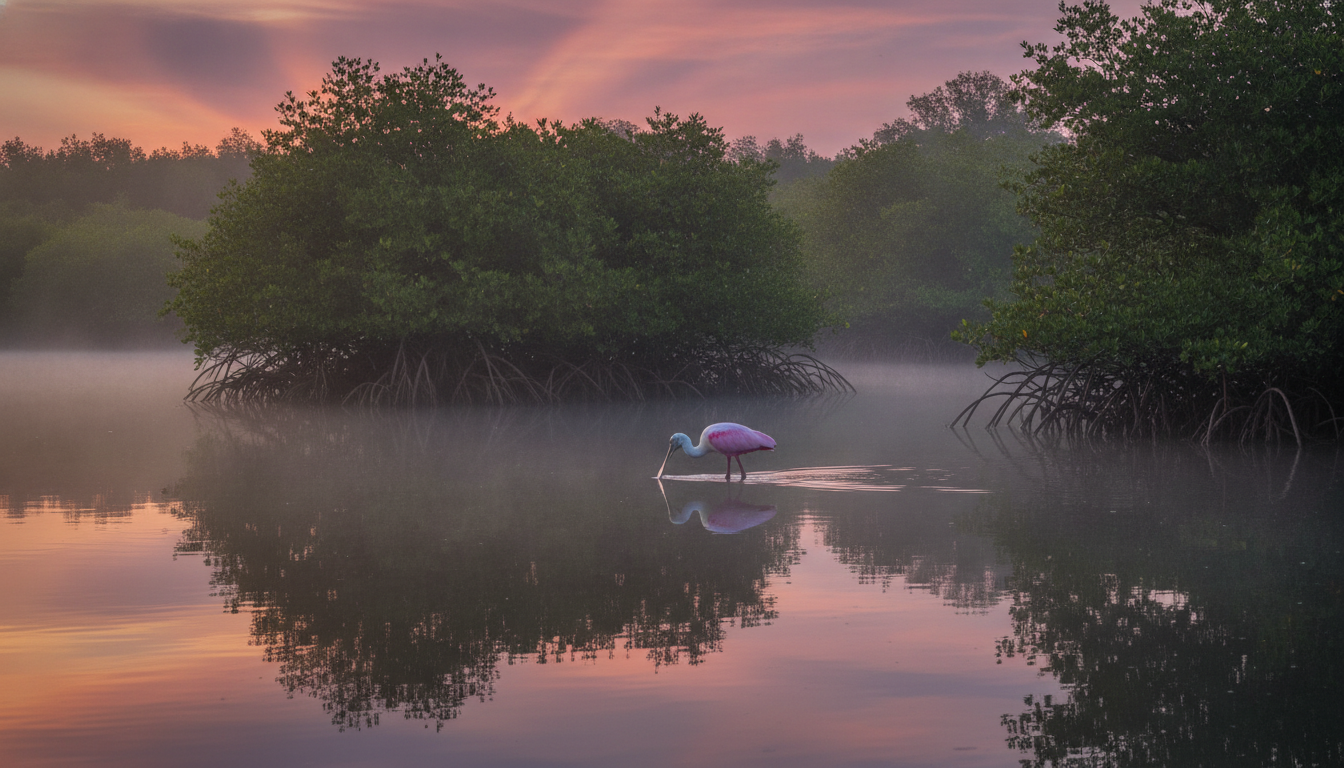
Just a short drive south, this state park serves as a gateway between the Indian River Lagoon and the Atlantic Ocean. While known for its surfing waves, the lagoon side of the park is a haven for wildlife photography. Kayak or paddleboard along the calm waters to get eye-level with diverse wading birds foraging in the shallows. The mangrove-lined shores are excellent for capturing intricate reflections, especially during the ‘golden hours’ when the light casts a warm glow over the water. Keep an eye out for various species of terns and gulls resting on sandbars, or even a shy river otter making an appearance.
Freshwater Wonders and Forested Trails
Beyond the salty influence of the lagoon, Vero Beach’s inland preserves offer a different, yet equally captivating, natural beauty, characterized by freshwater systems and dense palmetto hammocks.
Oslo Riverfront Conservation Area
A true hidden gem, the Oslo Riverfront Conservation Area is a mosaic of habitats, from scrubby flatwoods to hydric hammocks and freshwater marshes. This diversity means a wide array of photographic subjects. The sandy trails are perfect for spotting gopher tortoises, often seen munching on greens or peeking from their burrows. The elusive Florida scrub-jay, an endemic species, can sometimes be found perched on low branches. The observation deck overlooking the freshwater marsh provides an excellent spot for capturing wading birds, alligators, and the vibrant hues of wetland vegetation. The changing light throughout the day offers endless opportunities for dramatic landscape and wildlife compositions.
Environmental Learning Center (ELC)
More than just an educational facility, the ELC is a photographer’s paradise, boasting 64 acres of diverse native habitats, including mangrove forests, freshwater ponds, and coastal hammocks. Its extensive boardwalks and canoe trails offer easy access to stunning natural scenes. Look for intricate spider webs glistening with dew in the morning light, vibrant wildflowers in bloom, and a myriad of insects and amphibians. The ELC’s commitment to preservation means a healthy ecosystem, providing ample chances to photograph everything from playful otters to a variety of migratory birds, all within a tranquil setting that invites slow, deliberate shooting.
The Avian Paradise: Birding Hotspots
Vero Beach holds a special place in avian history, being home to the nation’s first National Wildlife Refuge.
Pelican Island National Wildlife Refuge
Established in 1903, Pelican Island is a testament to conservation and a must-visit for any wildlife photographer. While the island itself is primarily accessible by boat, the observation points on the mainland (like the Centennial Trail) offer stunning views of the island and its incredible birdlife. Roseate spoonbills, wood storks, and, of course, countless brown pelicans can be seen roosting, nesting, and feeding. Capturing these magnificent birds in their natural habitat, especially during nesting season when their plumage is most vibrant, is an unforgettable experience. The vastness of the lagoon here, punctuated by the bustling island, provides a sense of the wild, untamed beauty that defines the Treasure Coast.
From the intricate ecosystems of the Indian River Lagoon to the quiet majesty of inland preserves, Vero Beach offers a rich tapestry of natural beauty waiting to be immortalized through your lens. Each trail, each waterway, and each sunrise brings a new opportunity to connect with and capture the wild spirit of Florida.
Did you capture the perfect Treasure Coast shot? We want to see it! Explore more scenic inspiration at visitverobeach.org, or contact our spotlight team to feature your photography in our upcoming local gallery.
What’s the best time of day to photograph wildlife in Vero Beach?
Early morning (shortly after sunrise) and late afternoon (leading up to sunset) are generally the best times. The light is softer and more flattering, and many animals are most active during these cooler periods.
Are the trails in Vero Beach’s natural preserves accessible for all?
Many of Vero Beach’s preserves feature well-maintained boardwalks and relatively flat, sandy trails, making them accessible for a wide range of visitors. Specific accessibility details can often be found on individual park websites.
What kind of photographic gear is recommended for these locations?
For wildlife, a telephoto lens (200mm or more) is highly recommended to capture animals without disturbing them. A macro lens can be wonderful for capturing details of plants and insects. Don’t forget a sturdy tripod for sharp images in low light, and consider a polarizing filter for reducing glare on water.