Gliding Through Paradise: A Guide to Indian River Lagoon Adventures in Vero Beach
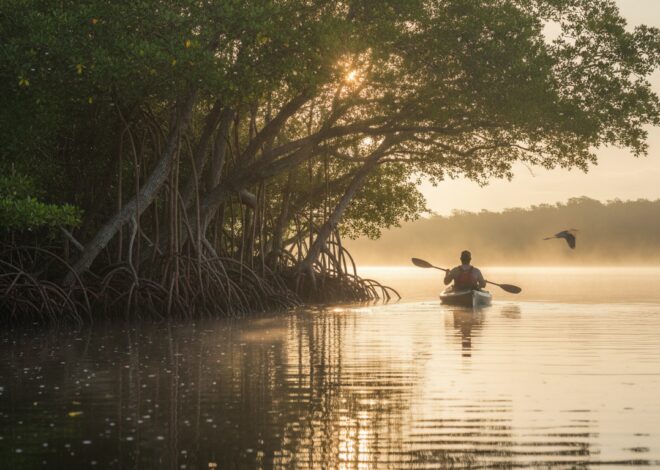
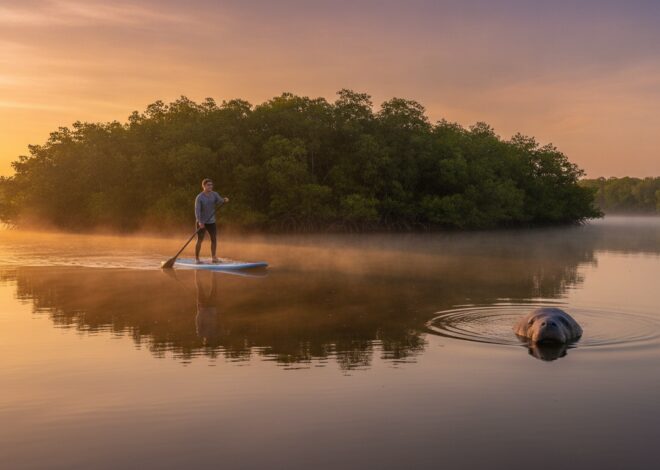
Morning mist rises off the glass-like surface of the Indian River Lagoon as the first golden rays of Florida sunshine pierce through the mangrove canopy. A gentle splash breaks the silence—a West Indian manatee surfacing for a breath, just yards from the bow of a kayak. This is a typical morning in Vero Beach, where the lagoon serves as an expansive, biologically diverse playground for outdoor enthusiasts. Stretching along the Treasure Coast, this estuary is not just a scenic backdrop; it is a living, breathing environment waiting to be explored. For those looking to swap the hustle of daily life for the gentle rhythm of the tides, Vero Beach offers an unparalleled gateway to outdoor recreation, drawing those who crave a deeper connection with the natural world.
The Serene Majesty of the Indian River Lagoon
The Indian River Lagoon is widely recognized as one of the most biologically diverse estuaries in North America. Home to thousands of species of plants, fish, and birds, it provides a sanctuary where nature and adventure seamlessly coexist. While the local beaches and parks get plenty of well-deserved attention, the calm waters of the estuary offer a completely different, serene rhythm. The barrier islands protect the lagoon from the heavy Atlantic surf, creating a tranquil environment that is perfect for water-based exploration of all kinds.
Paddling Through Mangrove Labyrinths
One of the most intimate ways to experience the lagoon is from the low-profile vantage point of a kayak or stand-up paddleboard (SUP). Paddlers can slip into narrow mangrove tunnels where the canopy weaves overhead, creating cool, shaded corridors filled with the sounds of scurrying crabs and nesting wading birds. As you glide silently over the shallow flats, it is common to look down and see horseshoe crabs, stingrays, and schools of mullet darting through the seagrass beds.
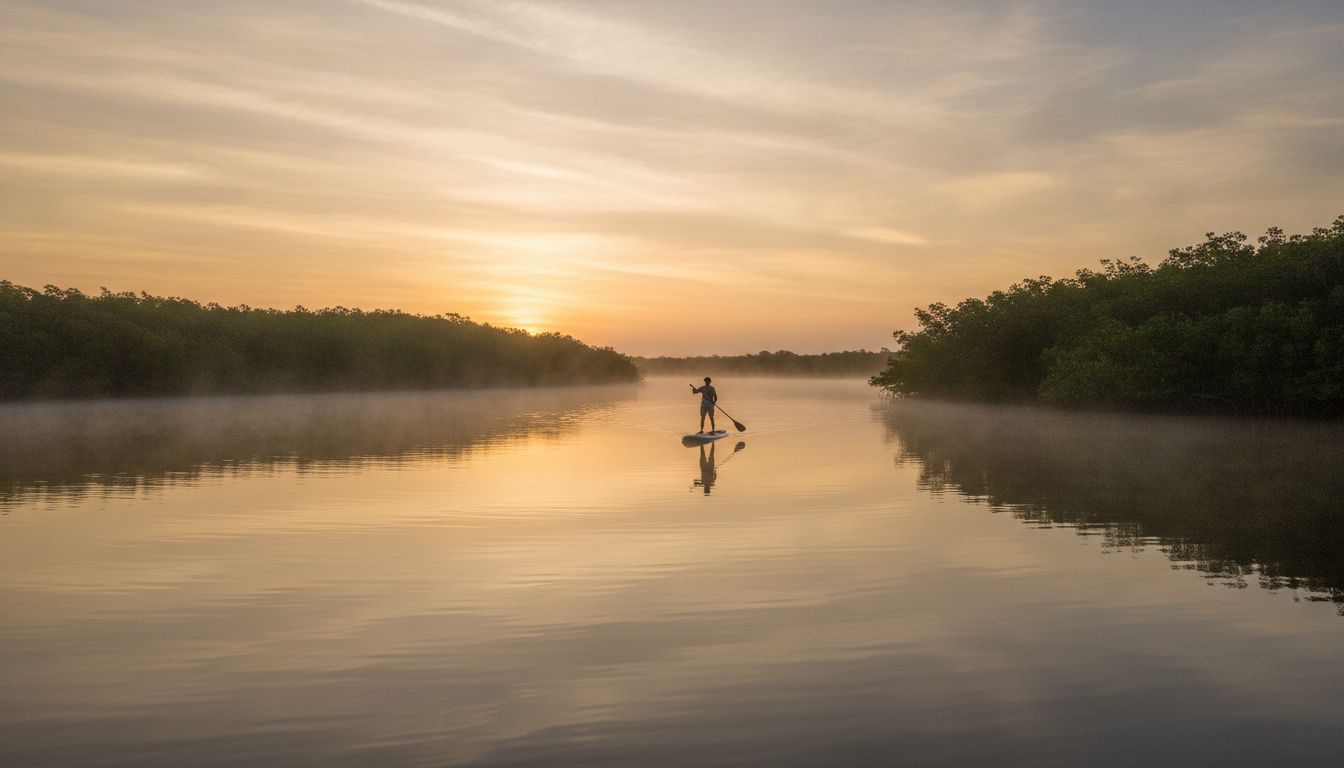
For paddleboarders, the calm, glassy waters of early morning offer the ideal conditions to practice balance while taking in panoramic views of the shoreline. It is a peaceful, meditative workout that allows you to move at your own pace, stopping to watch a brown pelican dive-bomb for breakfast or a pod of bottlenose dolphins playing in the distance. Whether you are a lifelong resident or a first-time visitor looking for the best things to do in Vero Beach, launching a vessel onto the lagoon is an absolute must.
Boating and Wind-Powered Adventures
If you prefer a bit more speed or want to cover more ground, the lagoon is a boater’s paradise. Pontoon boats, skiffs, and sailboats regularly dot the waterways, carrying families and anglers to their favorite hidden spots. Numerous spoil islands—small, undeveloped islands created during the dredging of the Intracoastal Waterway—line the channel. Many of these islands are open to the public, offering primitive docks, sandy beaches, and shaded picnic spots where you can drop anchor and spend the day playing castaway.
On breezier days, the lagoon transforms into a hub for wind-powered sports. Sailing enthusiasts and kiteboarders take advantage of the steady coastal winds, skimming across the open basins with colorful sails against the blue Florida sky. The wide expanses of the lagoon provide ample room for maneuvering, making it an excellent spot for both seasoned sailors and those learning to harness the wind.
Sunset Paddles and Bioluminescent Magic
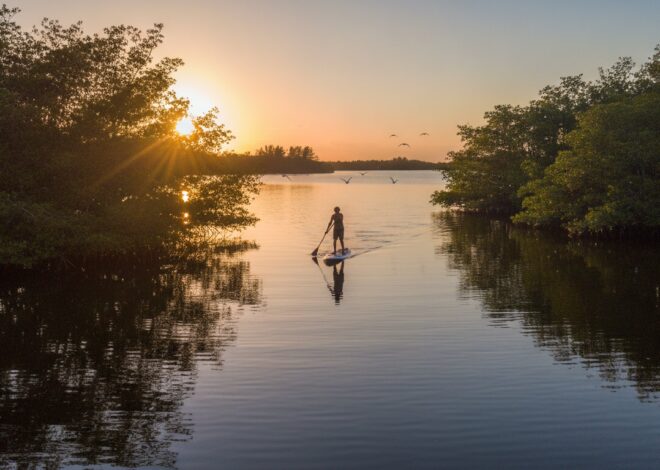
As day turns to night, the lagoon undergoes a breathtaking transformation. Sunset paddles are a favorite local pastime, offering front-row seats to spectacular skyward displays of orange, pink, and purple. During the warmer summer months, the water itself comes alive with bioluminescence. Every stroke of your paddle stirs up tiny organisms that glow with a brilliant blue-green light, creating a surreal, star-like effect beneath the surface. It is a bucket-list experience that highlights the pure, untouched magic of the Treasure Coast.
Connecting with the Waterfront Community
The outdoor lifestyle in Vero Beach is defined by a shared respect for these pristine waters. Local conservation efforts ensure that the lagoon remains a vibrant habitat for future generations. Throughout the year, you will find a welcoming community of fellow paddlers, boaters, and nature lovers who are always eager to share tips on the best launch sites or recent wildlife sightings. Engaging with this community is part of what makes the local coastal lifestyle so rewarding.
Ready to step outside and experience the absolute best of our coastal environment? Explore our comprehensive recreation guides and maps at visitverobeach.org, or contact our spotlight team at spotlight@visitverobeach.org to feature your outdoor excursion or rental business.
Frequently Asked Questions
What is the best time of day to spot wildlife on the Indian River Lagoon?
Early morning and late afternoon are generally the best times for wildlife viewing. During these hours, the water is typically at its calmest, making it easier to spot manatees surfacing or dolphins swimming. Additionally, many bird species are most active during these cooler parts of the day as they forage for food along the shorelines.
Do I need prior paddling experience to explore the mangrove tunnels?
Not at all. Many of the lagoon’s mangrove trails and shallow flats are highly sheltered from wind and waves, making them incredibly safe and accessible for beginners. First-time paddlers will find the gentle waters highly forgiving, while guided tours are widely available for those who prefer navigating with an experienced local guide.
Are motorized boats allowed throughout the entire lagoon in Vero Beach?
Yes, motorized boating is popular throughout the lagoon, but boaters must adhere to designated speed zones. Many areas, particularly close to the shorelines and around shallow seagrass beds, are designated as slow-speed or “no-wake” zones to protect the delicate marine habitats and ensure the safety of manatees and non-motorized watercraft.