The Ultimate Vero Beach Logistics Guide: Airports, Getting Around, and Seasonal Packing Tips
An escape to Vero Beach represents a return to a gentler, more sophisticated era of the Florida coast. Here on the Treasure Coast, high-rise condominiums are conspicuously absent, replaced instead by pristine, low-profile barrier island vistas, oak-canopied streets, and miles of uninterrupted sandy beaches. However, executing a seamless trip to this coastal sanctuary requires a bit of local know-how. Whether you are a seasoned snowbird escaping the winter chill or a first-time road-tripper seeking a quiet weekend getaway, understanding the local logistics ensures your arrival is as relaxed as the destination itself.
Planning your route and packing appropriately are the first steps to unlocking the magic of this region. To make the most of your journey, having a comprehensive Vero Beach travel guide at your fingertips will help you transition from transit mode to vacation mode without missing a beat.
Navigating Regional Airport Options
Vero Beach is wonderfully insulated from the frantic pace of Floridau2019s major metropolitan hubs, yet it remains highly accessible. Depending on your origin and preferred style of travel, you have several excellent airport entry points to choose from:
- Vero Beach Regional Airport (VRB): Located just minutes from downtown, this local gem offers select commercial flights through regional carriers, providing the ultimate “fly-in, walk-out” experience.
- Melbourne Orlando International Airport (MLB): Situated approximately 40 minutes north, MLB offers a calm, uncrowded alternative with several major domestic airlines.
- Palm Beach International Airport (PBI): Located about an hour and fifteen minutes south, PBI strikes the perfect balance between a wide array of flight options and a relatively stress-free driving commute up the coast.
- Orlando International Airport (MCO): For the broadest selection of international and domestic arrivals, MCO lies roughly an hour and forty-five minutes northwest, connected by straightforward highway routes.
Getting Around the Barrier Island with Ease
Once you arrive, navigating Vero Beach is remarkably intuitive. The town is geographically split by the Indian River Lagoon into the mainland and the barrier island, connected by scenic high-clearance bridges.
The Convenience of a Personal Vehicle
While Vero Beach is highly pedestrian-friendly once you are in the shopping and dining districts, having a car is highly recommended for exploring the full length of the barrier island, visiting mainland preserves, and traveling between various places to stay along the shoreline. Parking is notoriously hassle-free, with abundant free public parking spaces at most beach parks and retail areas.
Two-Wheeled Exploration and Walking
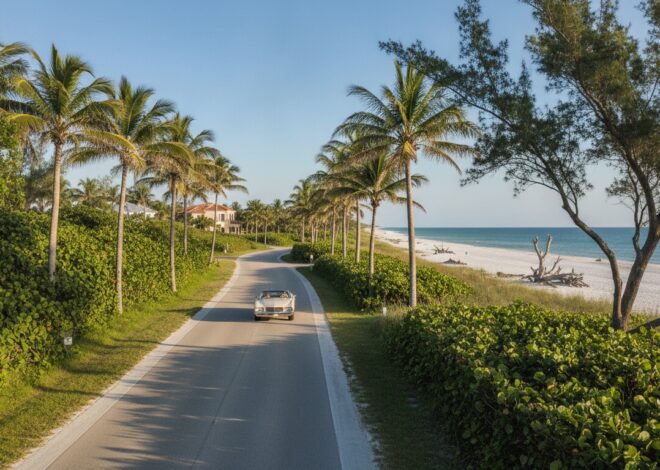
For those staying on the barrier island, renting a bicycle is a fantastic way to soak in the local atmosphere. Scenic Ocean Drive features dedicated lanes and pedestrian-friendly sidewalks, making it easy to cruise from your morning coffee spot to a quiet beach access point.
Packing Essentials for the Treasure Coast
The lifestyle in Vero Beach is defined by “casual elegance.” You won’t need formal wear here; instead, focus on high-quality, comfortable resort wear that transitions effortlessly from the beach to a fine dining table.
- Sun Protection: The Florida sun is powerful year-round. Pack high-SPF, reef-safe sunscreen, polarized sunglasses to cut the glare off the water, and a wide-brimmed hat.
- Day-to-Night Layers: While daytime temperatures are consistently warm, evening coastal breezes off the Atlantic can bring a refreshing chill, especially in the winter and spring. A light linen button-down, a cotton cardigan, or a light windbreaker are perfect for transition hours.
- Footwear: Bring comfortable walking shoes for exploring historic downtown or the Environmental Learning Center, along with easy-to-slip-on sandals for the beach.
Seasonal Travel Tips and Timing Your Visit
Vero Beach is a year-round destination, but the atmosphere shifts subtly with the seasons. The winter months bring beautiful, dry weather and a bustling social calendar, making it the peak season for visitors. If you prefer a quieter, slower pace, the late spring and early autumn offer warm waters, tranquil beaches, and plenty of room to explore the best <a href=”https://visitverobeach.org/things-to-do