Unearthing Vero Beach’s Wild Side: A Guide to Trails, Preserves, and Hidden Wildlife Havens
Imagine golden sunlight filtering through a canopy of ancient oaks, the gentle rustle of palm fronds in a soft breeze, and the distant call of an osprey echoing over tranquil waters. This is the everyday symphony of Vero Beach, a place where the outdoor lifestyle isn’t just a pastime—it’s woven into the very fabric of daily living. While our pristine shorelines often steal the spotlight, a deeper dive into Vero Beach reveals a rich tapestry of nature preserves, botanical gardens, and hidden trails waiting to be explored, offering unparalleled opportunities for outdoor recreation and immersive wildlife encounters.
Unveiling Vero Beach’s Green Heart
Vero Beach is a treasure trove for those who seek solace and adventure amidst lush landscapes. Beyond the immediate coastal allure, our region boasts an impressive network of natural spaces dedicated to preserving Florida’s unique ecosystems. These areas provide vital habitats for an array of wildlife and offer residents and visitors alike a chance to reconnect with nature.
Sanctuary for Serenity: McKee Botanical Garden
Step into a world of botanical wonder at McKee Botanical Garden, a historic 18-acre subtropical paradise. Once a renowned tourist attraction in the 1930s, McKee has been lovingly restored to showcase a stunning collection of waterlilies, palms, and native plants, all interwoven with walking paths and charming architectural features. It’s a place where history, horticulture, and tranquility converge, inviting leisurely strolls and quiet contemplation. The garden’s diverse plant life also attracts a variety of birds and butterflies, making every visit a discovery.
Eco-Adventures at the Environmental Learning Center
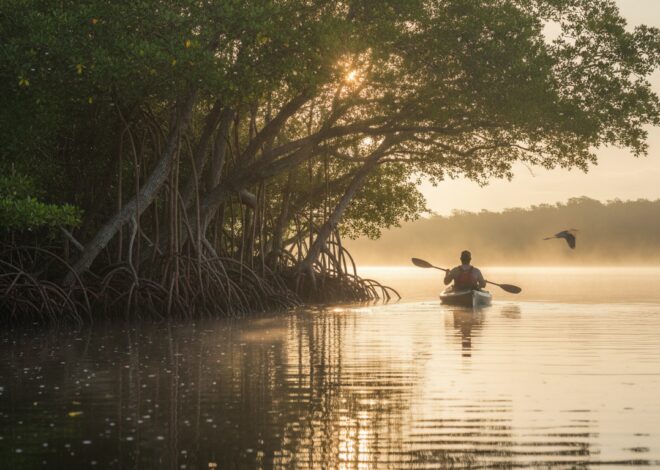
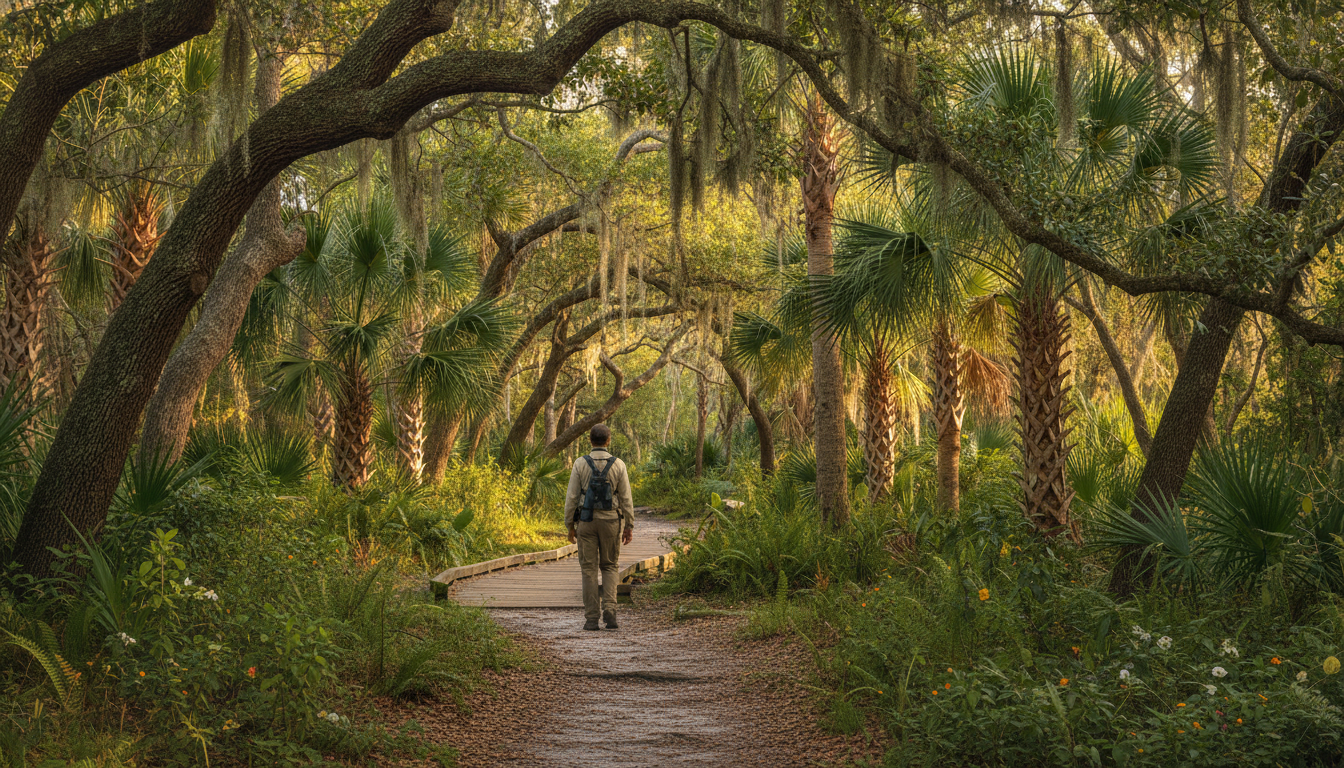
For a truly immersive ecological experience, the Environmental Learning Center (ELC) is a must-visit. Nestled on a 64-acre island campus, the ELC offers miles of boardwalks and nature trails that wind through mangrove forests, salt marshes, and maritime hammocks. It’s an ideal spot for birdwatching, with many migratory and resident species making their home here. Kayak and canoe launches provide access to the tranquil waters of the Indian River Lagoon, offering a unique perspective on the intricate estuarine ecosystem. The ELC serves as a vibrant hub for environmental education, making it perfect for families and curious minds of all ages eager to learn about Florida’s natural heritage.
Wild Wonders of Oslo Riverfront Conservation Area
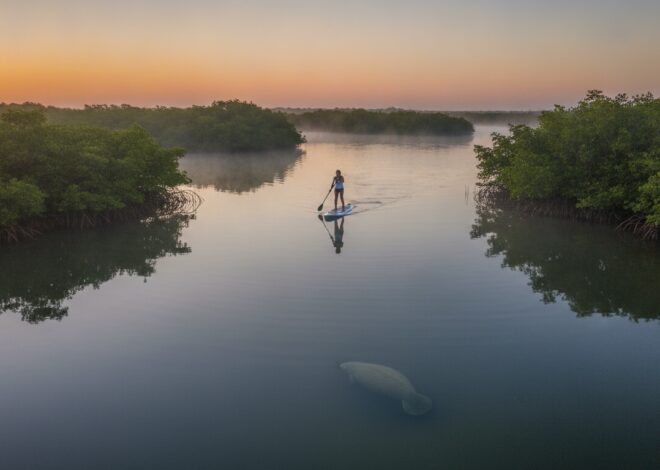
The Oslo Riverfront Conservation Area is another jewel in Vero Beach’s crown, preserving a significant stretch of the Indian River Lagoon’s western shore. This expansive preserve features diverse habitats, from pine flatwoods to mangrove wetlands, accessible via well-maintained trails. Hikers and cyclists can explore the natural beauty, spotting everything from gopher tortoises to various wading birds. Observation decks provide panoramic views of the lagoon, often revealing playful dolphins or manatees gliding through the water. It’s a testament to the region’s commitment to protecting its natural resources, offering a peaceful escape into unspoiled wilderness.
Pedal Power and Paved Paths
Vero Beach isn’t just for hikers; cyclists will find plenty to love as well. Beyond the rugged trails of conservation areas, the region offers scenic biking paths that meander through parks and along quieter roads. These paths provide a fantastic way to experience the local flora and fauna at a faster pace, offering healthy and enjoyable things to do in Vero Beach. Whether you prefer a challenging ride through natural terrain or a leisurely pedal with waterfront views, Vero Beach accommodates all levels of cycling enthusiasts.
A Birder’s Paradise and Wildlife Haven
The convergence of coastal, estuarine, and terrestrial habitats makes Vero Beach a prime destination for wildlife viewing. Birdwatchers, in particular, will find themselves in a paradise, with numerous species of wading birds, raptors, and migratory birds frequenting our beaches and parks, as well as our preserves. From the majestic bald eagle soaring overhead to the vibrant roseate spoonbill foraging in the shallows, every outing holds the potential for a memorable encounter. Keep an eye out for alligators basking in the sun, playful river otters, and the occasional bobcat or deer in the more secluded areas.
Vero Beach’s dedication to preserving its natural beauty ensures that the outdoor lifestyle here is rich, varied, and accessible year-round. From the serene paths of botanical gardens to the wild expanses of riverfront conservation areas, there’s always a new trail to explore, a new creature to spot, and a new reason to fall in love with Florida’s Treasure Coast.
Ready to step outside and experience the absolute best of our coastal environment? Explore our comprehensive recreation guides and maps at visitverobeach.org, or contact our spotlight team at info@visitverobeach.org to feature your outdoor excursion or rental business.
### Frequently Asked Questions About Vero Beach’s Trails and Wildlife
What is the best time of year for wildlife viewing in Vero Beach?
While wildlife can be observed year-round, the cooler, drier months from late fall through early spring often provide excellent viewing opportunities, especially for migratory birds. Early mornings and late afternoons are typically the most active times for many animals.
Are the trails in Vero Beach suitable for all ages and fitness levels?
Vero Beach offers a variety of trails, ranging from paved, accessible paths in botanical gardens to more rugged, unpaved trails in conservation areas. Many locations feature boardwalks, making them suitable for families with strollers or those requiring easier navigation. It’s always a good idea to check specific trail conditions beforehand.
What essentials should I bring when exploring Vero Beach’s nature trails?
Always carry water, especially during warmer months. Sun protection (hat, sunscreen, sunglasses) and insect repellent are highly recommended. Binoculars can greatly enhance wildlife viewing, and comfortable closed-toe shoes are advisable for most trails.