Vero Beach Travel Guide for Smooth Arrivals and Easy Local Logistics
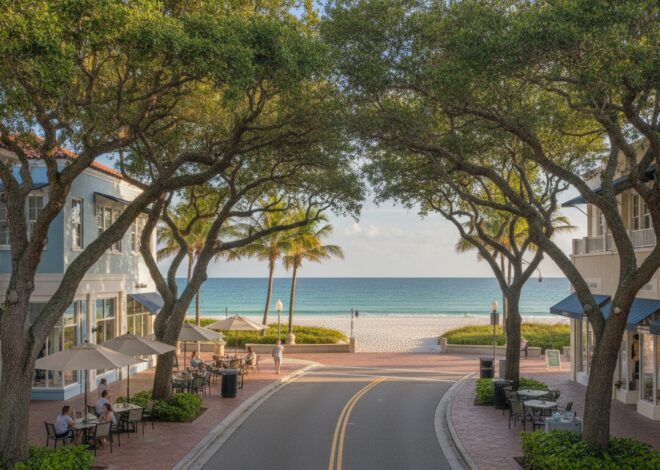
Vero Beach has a way of making travel feel effortless. The Atlantic glitters just beyond the dunes, the barrier island moves at a calmer pace than larger Florida beach towns, and the layout is friendly to visitors who want a polished coastal escape without the headache of complicated logistics. Whether you are arriving for a relaxed weekend, a snowbird season reset, or a longer Treasure Coast stay, the city rewards smart planning with easy access, scenic drives, and a refreshingly approachable rhythm.
Why Vero Beach Feels Easy to Reach
Vero Beach sits in a sweet spot along Florida’s east coast, close enough to major travel corridors to stay accessible, but far enough from bigger metro sprawl to preserve its serene atmosphere. That balance is a big reason the area appeals to road-trippers, retirees, and families looking for a quiet beach base. For a broader overview of the destination, start with the local Vero Beach travel guide archive, where you can explore curated neighborhood insights and trip-planning ideas before you arrive.
Getting Here: Air, Road, and Regional Convenience
Flying into the Treasure Coast
Air travelers typically use a mix of local and regional airports depending on their itinerary and flexibility. Vero Beach Regional Airport is the closest aviation option, especially for private and charter arrivals, while commercial travelers often look to nearby regional airports within a manageable drive. That setup gives visitors choices without overwhelming them with a maze of terminals or convoluted transfers. If you are arranging accommodations after arrival, it helps to browse the site’s places to stay archive for lodging ideas that fit your preferred side of town.
Driving in from Nearby Corridors
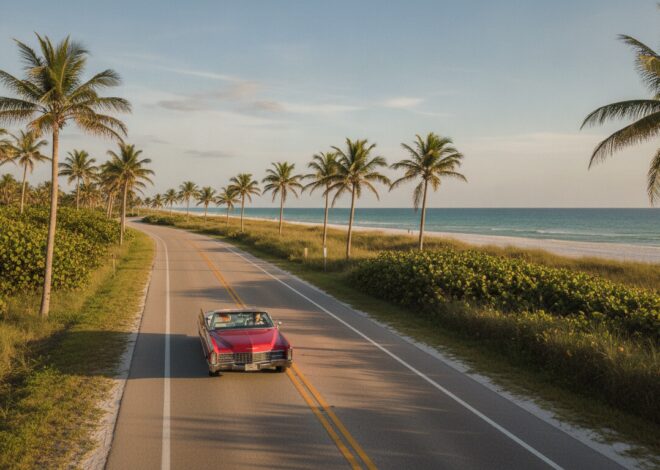
For visitors coming by car, Vero Beach is well connected to Florida’s north-south routes and coastal roads. Interstate access makes arrivals straightforward for road-trippers, while U.S. 1 and A1A help define the city’s mainland and beachside character. Once you cross a causeway, the pace shifts immediately: traffic thins, palms line the road, and the ocean breeze becomes part of the welcome. That simple geography is one of Vero Beach’s biggest advantages.
Best Times to Travel and What to Expect
Vero Beach is a year-round destination, but each season has its own travel personality. Winter tends to be the most comfortable for long outdoor strolls, beach lounging, and alfresco dining. Spring and fall often deliver a beautiful mix of warm water, bright mornings, and manageable temperatures. Summer brings deeper humidity and the possibility of afternoon showers, so flexibility matters. The trick is not to chase a perfect calendar date, but to plan around the weather pattern that suits your style.
Seasonal Travel Tips
- Pack for strong sun in every season.
- Expect breezier mornings near the ocean and warmer afternoons inland.
- Keep a light rain layer or compact umbrella handy during wetter stretches.
- Check local conditions before planning long beach or boating days.
Packing Essentials for a Barrier Island Stay
Because Vero Beach blends beachside leisure with active exploration, smart packing goes a long way. Bring comfortable sandals or walking shoes for town and shoreline paths, a sun hat, swimwear, a reusable water bottle, and reef-conscious sunscreen. If you plan to explore restaurants, galleries, or evening events on both sides of the causeway, a casual resort-casual wardrobe works well. A small cooler bag, phone charger, and bug spray can also come in handy if you spend long hours outdoors.
Getting Around Once You Arrive
Visitors often find that the easiest way to explore Vero Beach is by dividing the trip into two zones: beachside and mainland. Beachside roads near A1A are ideal for scenic drives, beach access, and laid-back stops, while the mainland offers practical access to shopping, dining, and everyday errands. Causeways connect the two with minimal fuss, and rideshare services can be useful for evenings out when parking is less appealing.
For travelers who prefer to keep each day simple, anchor your plans near the activities you care about most. If your trip leans toward dining, browsing, and sightseeing, the things to do archive can help you map out options that fit a relaxed, car-light itinerary.
Local Travel Mindset: Relaxed, Scenic, and Practical
Vero Beach is not about rushing from one attraction to another. It is about enjoying a coastline where logistics are friendly, the scenery feels refined, and the daily flow is remarkably manageable. That is especially helpful for snowbirds and multi-day travelers who want to settle in without stress. You can spend one morning on the beach, another in town, and still have time for a leisurely lunch or sunset drive. The city’s understated layout makes it easier to feel at home quickly.
Plan Your Trip with Visit Vero Beach
As the definitive independent digital hub for local news, business directories, and curated lifestyle guides across the region, Visit Vero Beach helps travelers move from inspiration to action with confidence. Use the site to compare neighborhoods, find helpful visitor resources, and shape a trip that fits your pace. Ready to book your coastal escape or map out your weekend itinerary? Explore our complete visitor directories, maps, and travel resources at visitverobeach.org, or contact our spotlight team at [Insert Contact Email or Phone Number] to feature your hospitality business or local tour service.
Is Vero Beach easy to navigate without a car?
Parts of the beachside area are walkable, but a car makes it much easier to move between the beach, downtown, and mainland shopping or dining.
What is the closest airport for Vero Beach visitors?
Vero Beach Regional Airport is the nearest aviation option, while several nearby regional commercial airports are commonly used for broader flight choices.
What weather should I expect during a Vero Beach trip?
Expect a warm coastal climate for most of the year, with milder winter conditions, humid summers, and occasional afternoon showers in the warmer months.