Wildlife and Wetlands: The Best Places to Photograph Vero Beach’s Natural Beauty
In Vero Beach, the light seems to arrive in layers: pale and pearly over the Indian River Lagoon at dawn, then rich and golden as it slips across mangroves, marsh grasses, and glassy canals. For photographers, that changing glow turns everyday scenery into something cinematic. One minute you’re watching spoonbills pick through a tidal edge; the next, a heron lifts into a sky brushed with coral and blue. If you love wild places, soft reflections, and the kind of color that makes a frame feel alive, the Treasure Coast delivers in every direction.
Why Vero Beach is a dream for wildlife photographers
Vero Beach sits at a crossroads of coastal habitats, where estuary, lagoon, riverfront, and preserve all blend into one photogenic ecosystem. That variety means you can spend a morning chasing birds in the wetlands, then move a short distance inland for oak-shaded trails and quiet boardwalk views. The scenery changes quickly, but the mood stays unmistakably Floridian: luminous water, tropical greenery, and a steady rhythm of native wildlife. On the Visit Vero Beach guide, these natural spaces stand out as some of the most rewarding places to explore when you want a photo story that feels local, authentic, and full of movement.
Pelican Island National Wildlife Refuge: the heart of local bird photography
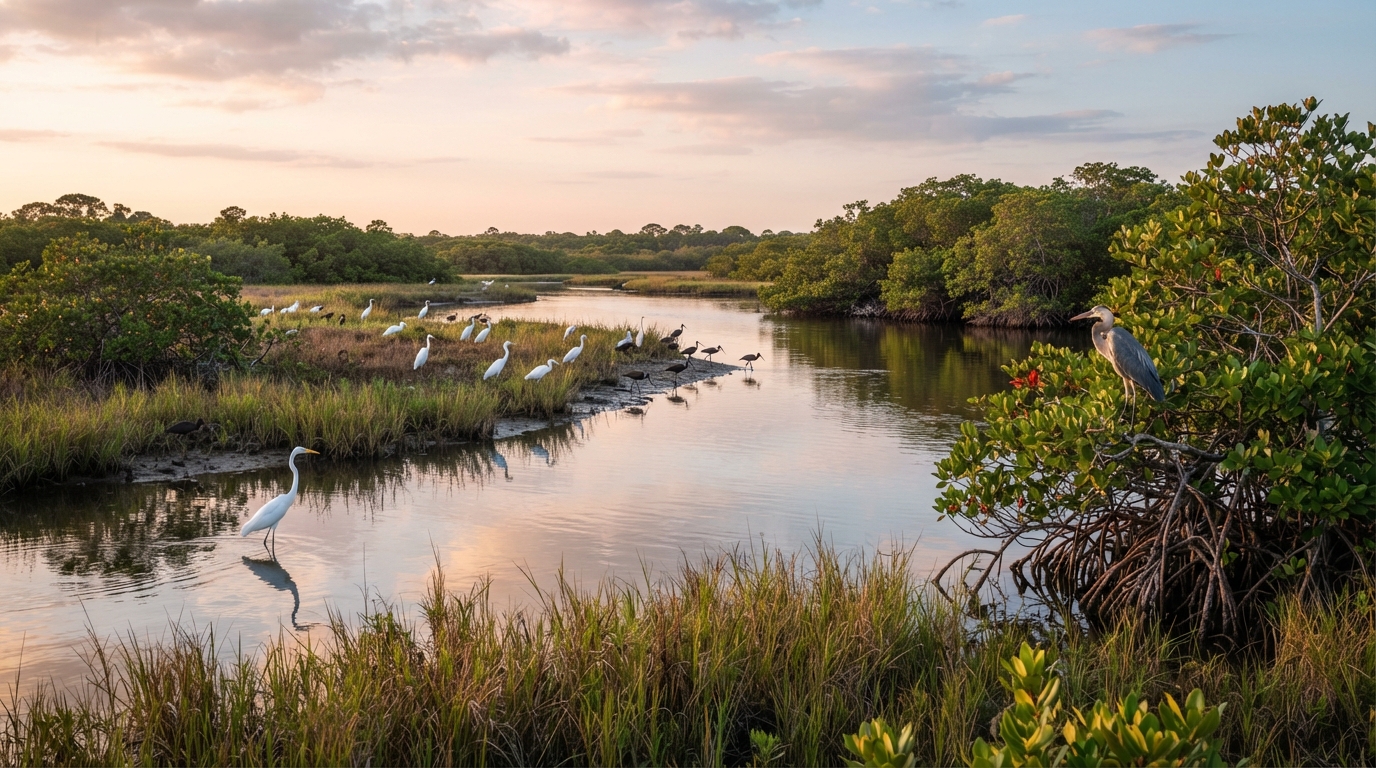
Few places capture the soul of the Vero Beach coastline like Pelican Island National Wildlife Refuge. This is where the Indian River Lagoon opens into a protected world of nesting birds, mangrove edges, and shimmering water. Early morning is especially magical here, when the marsh feels hushed and the first light catches the feathers of pelicans, ibis, egrets, and ospreys. The refuge rewards patience: a still frame might hold only a branch and a ripple, then suddenly a flock rises and the entire scene comes alive.
For photographers, the appeal is not just the wildlife itself, but the layered composition. Mangroves create dark, sculptural foregrounds; open water adds reflected color; and the sky often becomes a soft gradient that looks almost painted. Bring a willingness to wait, because the best images here often come from observing small behaviors: a bird landing, a fish breaking the surface, a breeze bending the grasses along the shoreline.
Environmental Learning Center: boardwalks, water views, and close-up nature
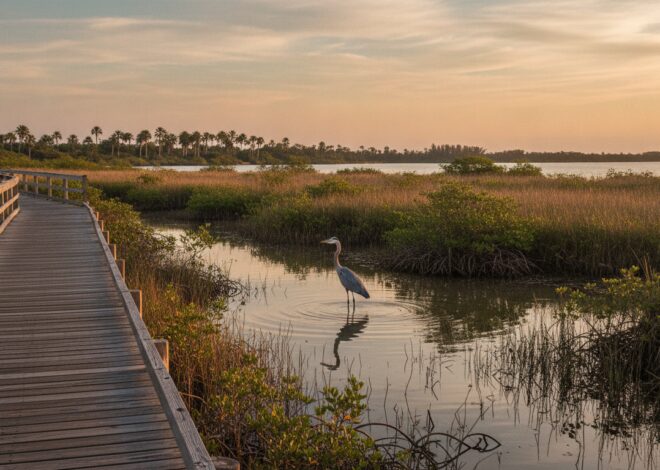
The Environmental Learning Center offers a different kind of beauty—more intimate, more textured, and ideal for photographers who enjoy working with lines, patterns, and reflections. Boardwalks lead you over wetlands and into pockets of habitat where lily pads, mangroves, and mirrored water create a natural sense of depth. It is a place that feels designed for slow photography, where every turn presents a new frame.
Here, the best images often come from looking downward as much as outward. Look for repeating shapes in the boardwalk rails, the ripples in the water, and the way sunlight filters through the trees. On windless mornings, the reflections can be nearly perfect, turning the lagoon into a second sky. If you enjoy environmental portraiture or nature detail shots, this is also a strong location for capturing hands, hats, boots, and other elements that tell the story of being out in the wild rather than just standing in it.
Oslo Riverfront Conservation Area: quiet trails and moody natural textures
Just inland, the Oslo Riverfront Conservation Area brings a more secluded atmosphere to your photo list. The trails here feel quieter, with stretches of native vegetation, shaded paths, and pockets of open space where the river and wetlands create a calmer visual rhythm. This is one of the best places around Vero Beach for photographers who want a less crowded setting and a more organic, woodland-meets-wetland feel.
Golden-hour light is especially attractive in this landscape because it slants through the trees and warms the grasses at trail edges. The result is a softer palette than the brighter coastal scenes: deep greens, earthy browns, and flashes of reflective water. If you’re building a portfolio of the Treasure Coast’s natural character, this area adds balance by showing the inland side of the region’s beauty.
Indian River Lagoon views: reflections, wading birds, and endless composition ideas
The Indian River Lagoon is the thread that ties much of Vero Beach photography together. From causeways, waterfront parks, and shoreline access points, you can capture a wide range of scenes without leaving the area. Some of the most satisfying images come from simple compositions: a lone egret standing at the edge of the frame, a distant kayaker crossing a silver patch of water, or mangrove roots tracing abstract lines against the tide.
What makes the lagoon so photogenic is its flexibility. In one moment it feels expansive and bright, with open water and big skies; in the next, it turns intimate, with tiny details like shell fragments, driftwood, and tide pools adding texture. If you return at different times of day, the same location will look entirely new. Morning brings clarity and calm, while late afternoon adds contrast and warmer tones that enrich every reflection.
Best moments to shoot: soft light, active wildlife, and seasonal shifts
For wildlife and wetlands photography in Vero Beach, the most rewarding light usually arrives when the sun is low and the air feels gentler. Early morning often delivers the cleanest color and the most active birdlife. Late afternoon offers warmer tones and longer shadows that can make marshes and treelines feel more dramatic. Cloudy days are underrated, too, because they soften the light and help preserve detail in feathers, water, and sky.
Seasonal changes matter as well. During cooler months, bird activity can feel especially lively, and the light can be crisp and clear. In warmer seasons, lush vegetation and dramatic skies bring a different kind of energy, with deeper greens and more saturated color. Keep an eye on tides, weather, and recent rainfall, because those details can completely transform how a preserve or lagoon trail looks through your lens.
How to make the most of a photography day in Vero Beach
Think in layers. Start with a wide scene that establishes the habitat, then move in for tighter frames of birds, plants, textures, and reflections. Vary your perspective by shooting from trail level, boardwalk height, and open waterfront overlooks. A good day here is not about racing from place to place; it is about letting the landscape reveal itself slowly. That approach is what makes Vero Beach such a memorable destination for photographers who want more than just a pretty picture. They want place, atmosphere, and a sense of discovery.
Did you capture the perfect Treasure Coast shot? We want to see it! Explore more scenic inspiration at visitverobeach.org, or contact our spotlight team to feature your photography in our upcoming local gallery.
FAQ
What are the best places in Vero Beach for wildlife photos?
Pelican Island National Wildlife Refuge, the Environmental Learning Center, and Oslo Riverfront Conservation Area are among the most rewarding spots for birds, wetlands, and natural textures.
Is parking easy at these photography locations?
Parking options vary by site, but many trailheads, preserves, and waterfront access points offer nearby parking or designated lots. Always check the location before you go.
Does the lighting change much by season?
Yes. Cooler months often bring crisp air and active birdlife, while warmer seasons can produce lush greens, dramatic skies, and softer reflections after rain or around tide changes.