Wildlife and Wetlands: A Photographer’s Guide to Capturing Vero Beach’s Natural Beauty
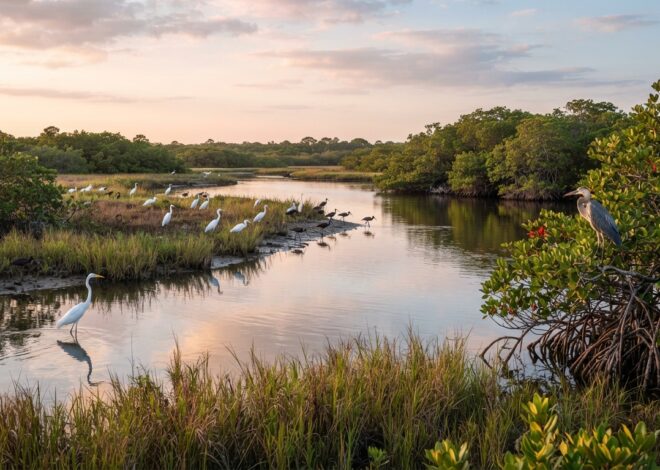
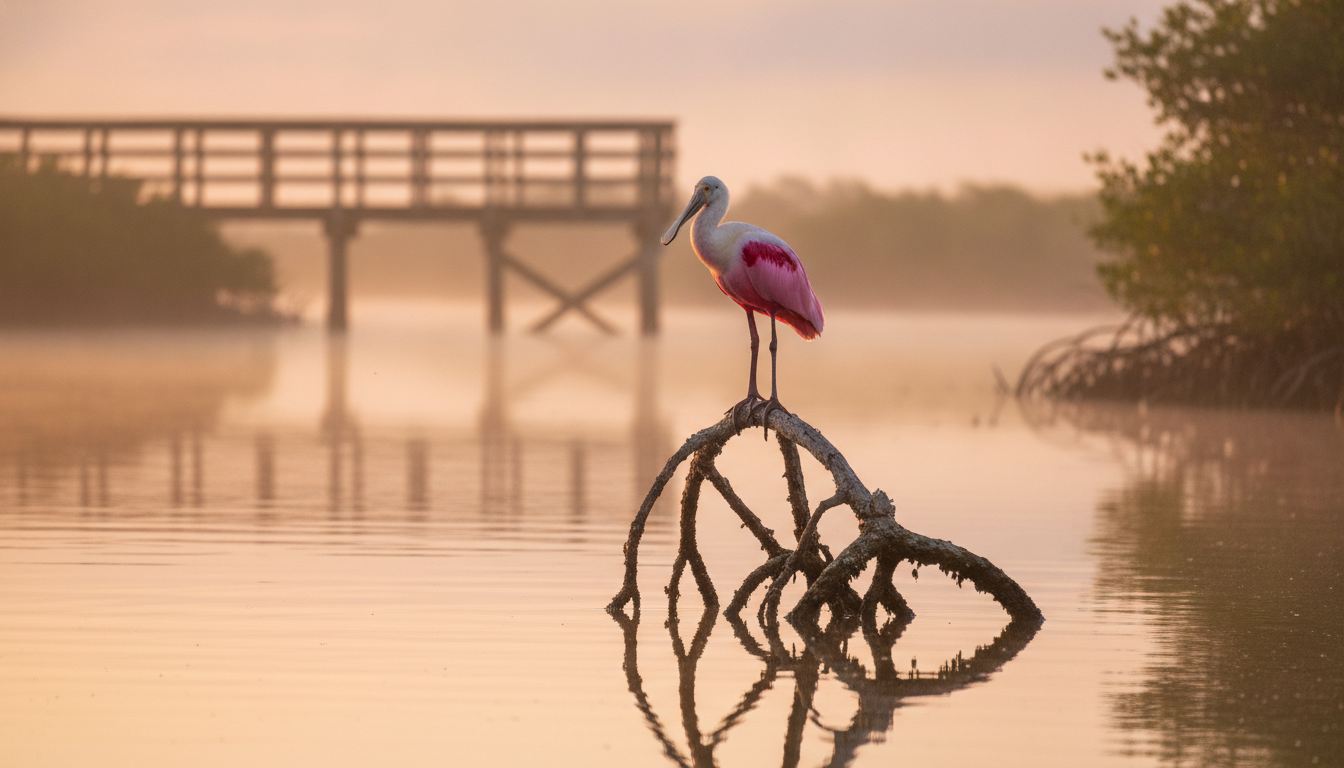
The Florida Treasure Coast is a masterclass in coastal biodiversity, where the brackish waters of the Indian River Lagoon meet maritime hammocks and ancient mangrove forests. For photographers, this intersection of ecosystems creates a dynamic canvas of shifting light, dramatic weather, and unparalleled wildlife encounters. From the soft mist rising off a quiet lagoon trail at dawn to the brilliant pink flash of a roseate spoonbill taking flight, Vero Beach offers endless opportunities to capture the raw, untamed spirit of Florida. Whether you are a seasoned professional with a telephoto lens or an passionate hobbyist, these local nature preserves provide the perfect backdrops to elevate your portfolio.
The Pioneer of Conservation: Pelican Island National Wildlife Refuge
No photography excursion to Vero Beach is complete without a pilgrimage to America’s very first national wildlife refuge. Established in 1903, Pelican Island remains a sanctuary for dozens of bird species, making it a premier destination for avian photography.
Golden Hour on the Boardwalk
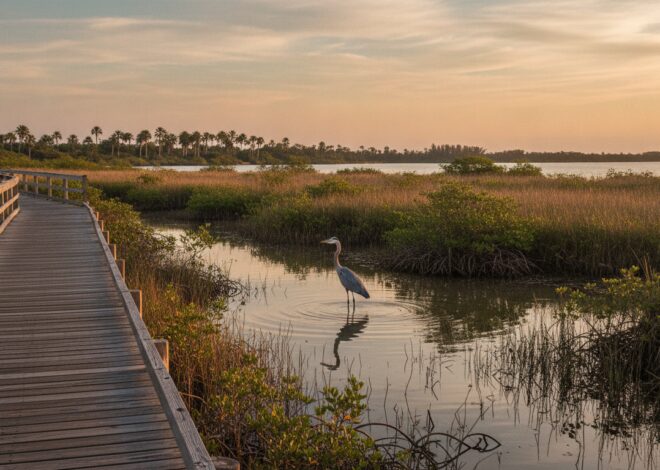
To capture the true essence of Pelican Island, plan your visit during the late afternoon. As the sun begins its descent, walk along the elevated observation tower trail. The light here filters through the salt-kissed pines, casting long, dramatic shadows across the marsh. From the viewing platform, look out toward the island itself. Hundreds of brown pelicans, egrets, and herons congregate on the mangroves, their silhouettes etched sharply against a sky painted in shades of tangerine and violet. Keep your eyes on the water below the boardwalk, where blue crabs and horseshoe crabs often glide through the shallow flats.
The Subtropical Wonderland: McKee Botanical Garden
For a completely different visual texture, head inland to a historic jungle oasis where native Florida flora blends seamlessly with exotic botanical specimens. Walking through this lush sanctuary feels like stepping back in time to the state’s wild, pre-development era.
Micro-Worlds and Giant Waterlilies
McKee Botanical Garden is a paradise for macro photography. The garden is world-renowned for its collection of waterlilies, which bloom in vibrant shades of magenta, cobalt, and canary yellow. The best time to shoot is mid-morning, when the dew still clings to the petals and the sun is high enough to illuminate the translucent layers of the flowers. Look for the massive Victoria amazonica leaves, which provide incredible geometric patterns and scale. Beyond the ponds, the dappled sunlight filtering through the canopy of majestic live oaks and towering cabbage palms creates a moody, ethereal atmosphere perfect for capturing deep green textures and rich shadows.
Where the River Meets the Sea: Round Island Riverside Park
Nestled on the barrier island, Round Island Riverside Park is a hidden gem that offers some of the most intimate wildlife encounters on the Treasure Coast. This park is highly regarded for its quiet, winding trails and its reputation as a safe haven for manatees.
Mangrove Tunnels and Gentle Giants
The park’s boardwalks wind directly through dense mangrove tunnels, offering a unique perspective on these vital coastal trees. The intricate, arched root systems reflect beautifully in the still, dark waters of the cove, creating mesmerizing abstract patterns. If you tread quietly along the observation docks, you are highly likely to spot West Indian manatees surfacing for air. Capturing the gentle ripple of water around a manatee’s snout, contrasted with the glossy green of the surrounding mangroves, makes for a powerful storytelling image. Early mornings here are incredibly peaceful, often blanketed in a light mist that adds a dreamlike quality to your landscape frames.
Preserving the Shot: A Legacy of Conservation
Photographing the wetlands of Vero Beach is as much about patience as it is about composition. These fragile environments thrive on balance, and capturing them through the lens helps tell the vital story of Florida’s conservation efforts. As you explore these trails, remember to respect the wildlife boundaries, keep your distance, and let the natural beauty of the Treasure Coast speak for itself through your lens.
Did you capture the perfect Treasure Coast shot? We want to see it! Explore more scenic inspiration at visitverobeach.org, or contact our spotlight team to feature your photography in our upcoming local gallery.
Frequently Asked Questions
What is the best time of year for bird photography in Vero Beach?
The winter months, from late November through March, are spectacular for bird photography. This period brings a massive influx of migratory waterfowl and wading birds, including roseate spoonbills, wood storks, and white pelicans, all sporting their vibrant breeding plumage.
Are the local nature trails accessible for photographers carrying heavy gear?
Yes. The locations featured, such as Pelican Island and Round Island, offer well-maintained boardwalks and flat, hard-packed dirt trails. This makes it relatively easy to transport tripods, telephoto lenses, and gear bags without navigating treacherous terrain.
How can I protect my camera equipment from the coastal elements?
When shooting near the Indian River Lagoon and coastal marshes, salt spray and high humidity are constant factors. Always carry a microfiber cloth, use a protective UV filter on your lenses, and keep your gear sealed in a weather-resistant bag when walking between shooting locations.