Best Places to Photograph Vero Beach’s Wildlife and Wetlands
In Vero Beach, the light seems to arrive with a purpose. It slips over the Indian River Lagoon in a soft wash of gold, catches on mangrove leaves, and turns every ripple, reed, and wingbeat into something worth framing. For photographers, this stretch of the Treasure Coast is more than a beach town—it’s a living mosaic of marsh grass, shallow water, cypress shadows, and soaring birds, where each trail and boardwalk offers a new way to see Florida’s wild beauty.
Pelican Island National Wildlife Refuge: Where the Story Begins
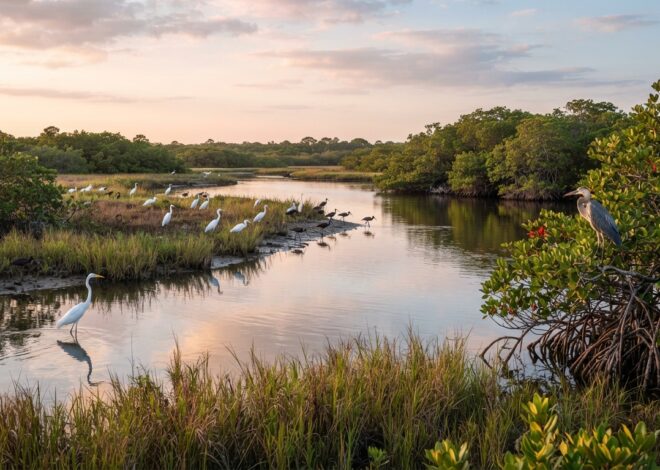
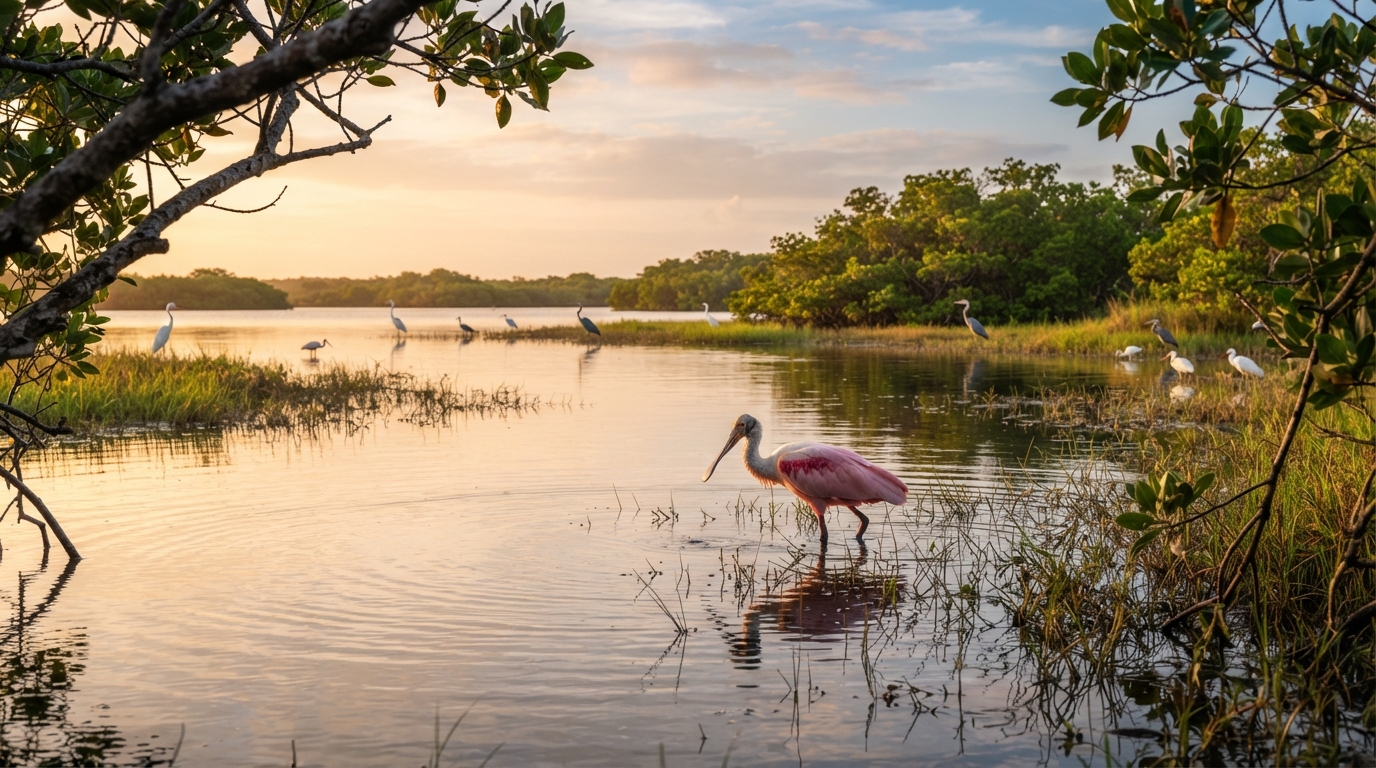
If you want a true Vero Beach wildlife photography experience, start at Pelican Island National Wildlife Refuge. This protected landscape feels timeless: narrow waterways, nesting trees, still water reflecting the sky, and a constant movement of birds from one pocket of habitat to another. Bring a patient eye here, because the best moments often arrive quietly—a great blue heron lifting from a branch, an osprey tilting toward the water, or a spoonbill flashing pink against a field of green.
Early morning is especially rewarding, when the marsh is cool and the reflections are crisp. The light is gentle, the air is often calmer, and wildlife tends to be most active. Late afternoon can be just as beautiful, with warmer tones deepening the texture of the reeds and the silvery sheen of the lagoon. Even when the birds stay still, the scene feels alive: pelicans gliding low over the water, mangrove roots twisting through the shallows, and distant waves of heat turning the horizon soft and painterly.
Why it photographs so well
Pelican Island offers a layered composition that works in nearly any frame: foreground grasses, midground water, and background sky. That depth gives landscape shots a sense of scale, while the wildlife adds motion and personality. It’s a place where wide scenic images and close bird portraits feel equally at home.
Environmental Learning Center: Boardwalk Views and Lagoon Texture
For a different kind of scene, head to the Environmental Learning Center area, where boardwalks and shoreline paths open onto the Indian River Lagoon in a quieter, more intimate way. This is the kind of place where you can slow down and let the details lead the composition: rippled water under a breeze, mangrove shadows stretching across the bank, marsh birds feeding along the edge, and the occasional flash of a fish breaking the surface.
Photographers who love layered landscapes will find endless material here. The wooden walkways provide leading lines that draw the eye into the frame, while the surrounding wetlands create a soft, natural palette of olive, silver, blue, and sunlit tan. On misty mornings, the whole scene can feel almost painterly; on bright afternoons, the contrast between water and foliage becomes sharper and more graphic. Either way, the lagoon rewards observation.
Best shots to look for
Try capturing reflections in still water, silhouettes of birds against the sky, and the patterns made by reeds bending in the wind. If you’re lucky, you may spot manatees or dolphins near the edges of the lagoon, especially when the water is calm and clear. Keep your camera ready—the action here often happens in a single blink.
Oslo Riverfront Conservation Area: Quiet Trails, Big Rewards
Oslo Riverfront Conservation Area offers a more secluded feel, with a mix of trail scenery, river views, and wetland edges that are ideal for nature photography. It’s the kind of place that rewards a wandering approach. Walk slowly, pause often, and let the landscape reveal itself in small scenes: a standing dead tree reflected in dark water, a line of egrets on the far bank, or sunlight catching the tops of native grasses like a bright, moving thread.
This location shines in the softer light of morning and late afternoon, when the contrasts ease and the natural colors become richer. If you enjoy moody images, look for overcast conditions, which can turn the wetlands into a study of texture and tone. If you prefer vibrant color, aim for the warm edges of the day, when the sky glows and the water holds a subtle blush.
What to Watch For in Vero Beach Wetlands
The Treasure Coast’s wetland habitats are full of photogenic surprises. Herons stand like sculptures in the shallows. Egrets move with clean, elegant lines. Anhingas spread their wings in a dramatic pose that feels made for the frame. Ospreys patrol overhead, and in the right season, you may spot spoonbills bringing vivid color to the marsh. Even the plants contribute to the story—mangrove branches, cattails, saw palmetto, and shoreline grasses add movement and structure to every composition.
For a stronger image, think in layers. Place one element in the foreground, another in the middle distance, and a third on the horizon. Use boardwalk rails, branches, or a curve in the shoreline to guide the viewer through the scene. Most importantly, give the wildlife room. The most memorable Vero Beach photographs often feel spacious, calm, and unforced, just like the landscape itself.
When to Go for the Best Light
Sunrise is the most dependable time for soft color, active birds, and reflective water. The atmosphere feels fresh, the trails are quieter, and the low-angle light gives every surface a gentle glow. Late afternoon is equally rewarding, especially if you want warmer tones and longer shadows that emphasize texture in the marsh. After rain, the wetlands can look especially vivid, with saturated greens and dramatic cloud reflections making the whole scene feel newly polished.
Season also matters. Cooler months often bring comfortable shooting conditions and active bird life, while the warmer season can produce brilliant skies, dramatic cloud formations, and lush plant growth. No matter when you visit, the key is to slow down and keep watching; Vero Beach has a way of rewarding patience.
Did you capture the perfect Treasure Coast shot? We want to see it! Explore more scenic inspiration at visitverobeach.org, or contact our spotlight team to feature your photography in our upcoming local gallery.
What’s the easiest place for beginners to photograph wildlife in Vero Beach?
Pelican Island National Wildlife Refuge and the Environmental Learning Center area are both beginner-friendly choices with clear views of birds, water, and marsh scenery. Bring a little patience and focus on early morning or late afternoon light.
Is parking available near these photo spots?
Yes, many of these locations offer nearby public parking or designated access points, but details can change. It’s always best to check current access information before heading out.
Does the best light change by season?
Yes. Cooler months often bring softer air and more active wildlife, while warmer months can produce vivid green marshes and dramatic skies. Sunrise and late afternoon are consistently the most flattering times year-round.