Florida’s Wild Heart: A Photographer’s Guide to Vero Beach’s Wetlands and Wildlife
Vero Beach, nestled on Florida’s Treasure Coast, is more than just sun-drenched beaches. Venture a little deeper, and you’ll discover a vibrant, pulsing heart of lush wetlands, shimmering lagoons, and dense preserves teeming with life. For the landscape and wildlife photographer, this region offers an unparalleled canvas, a symphony of emerald canopies, whispering marsh grasses, and the graceful dance of native creatures. It’s a place where every dawn brings new opportunities to capture the raw, untamed beauty of Florida, and every golden hour paints the water in hues of liquid fire. Prepare your lenses, because the wild side of Vero Beach is calling, promising a portfolio rich with authentic Florida charm.
Oslo Riverfront Conservation Area: A Sanctuary of Serenity
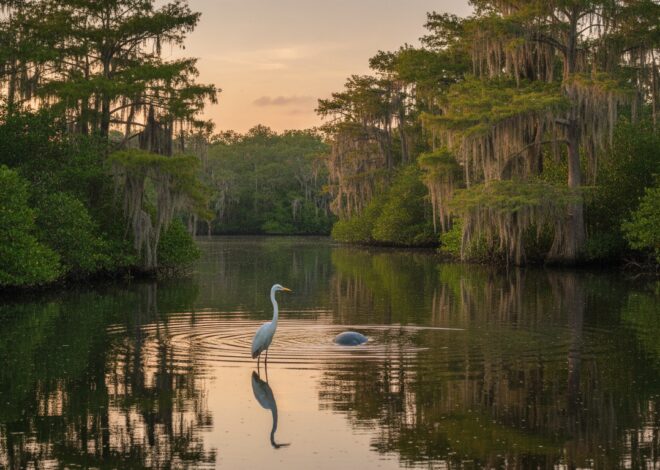
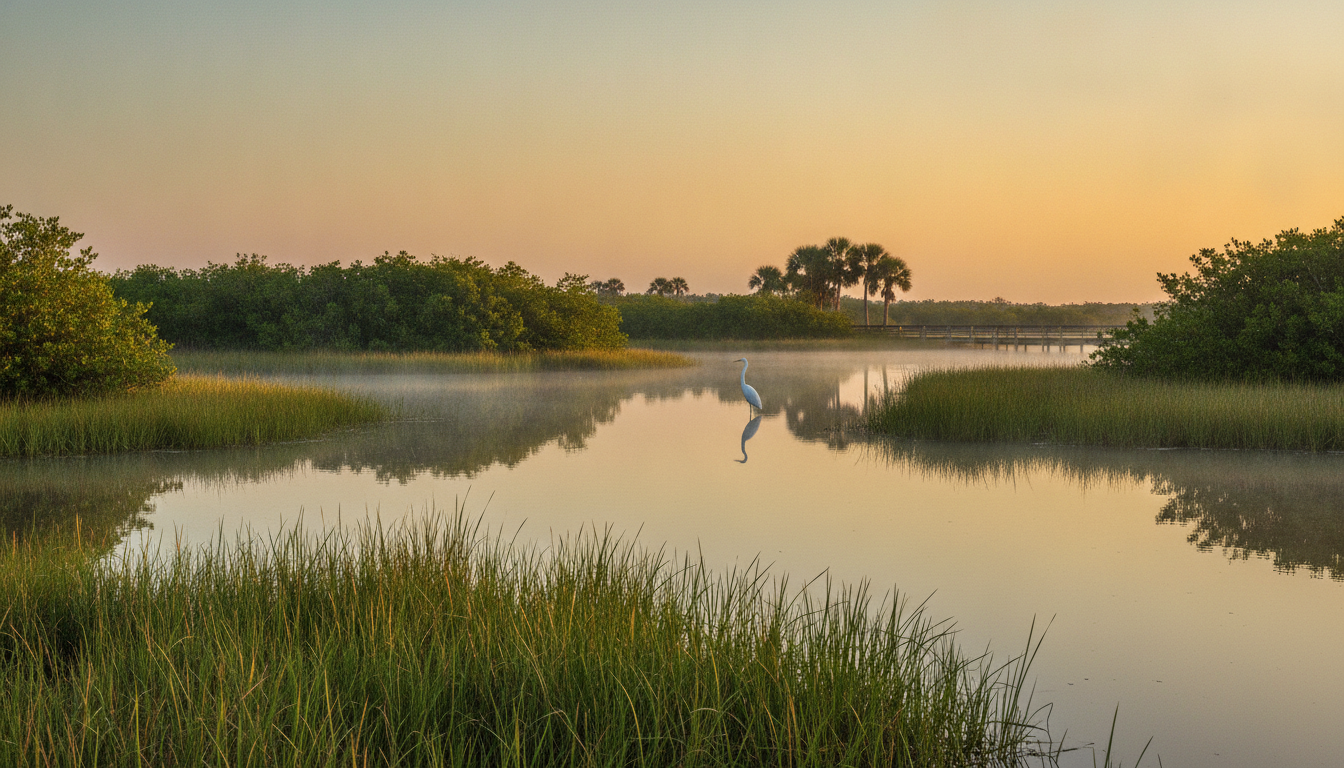
One of Vero Beach’s true ecological jewels, the Oslo Riverfront Conservation Area (ORCA) offers a diverse tapestry of habitats, from pristine pine flatwoods to vital mangrove forests along the Indian River Lagoon. Photographers will find endless inspiration here, particularly in the early morning or late afternoon when the light is soft and the wildlife is most active. The winding boardwalks provide excellent access for capturing intricate details of the wetland flora – the delicate air plants, vibrant wildflowers, and the gnarled roots of ancient mangroves. Look for wading birds like spoonbills and egrets gracefully navigating the shallows, their reflections often mirroring perfectly on the glassy water. The calm environment makes it ideal for patient photographers seeking intimate wildlife portraits.
Capturing Coastal Birds and Lagoon Life
The transition zones where freshwater meets saltwater at ORCA are particularly dynamic. Here, you might spot ospreys perched high, scanning for fish, or pelicans diving with dramatic splashes. The subtle movements of fiddler crabs in the mudflats offer a different kind of photographic challenge, requiring a keen eye and a steady hand. Don’t forget to turn your lens to the smaller wonders too – dragonflies iridescent in the sun, butterflies flitting among the wildflowers, and even the occasional turtle basking on a log. The interplay of light filtering through the dense foliage creates stunning contrasts and dappled patterns, adding depth to your compositions.
Pelican Island National Wildlife Refuge: A Historic Haven for Feathered Friends
Just a short drive north of Vero Beach lies Pelican Island National Wildlife Refuge, America’s first federal bird preserve. Established in 1903, this iconic refuge is a testament to conservation and a paradise for bird photographers. While the main island is off-limits to protect nesting birds, the accessible observation areas and boardwalks provide fantastic opportunities to view and photograph a vast array of species. The sheer number of pelicans, both brown and white, is breathtaking, especially during nesting season when the trees are adorned with their fluffy young.
The Drama of the Rookery and River Views
Position yourself to capture the dramatic take-offs and landings of pelicans, their wings spread wide against the expansive sky. Beyond the pelicans, you’ll find roseate spoonbills, wood storks, anhingas, and various herons and egrets. The backdrop of the Indian River Lagoon provides beautiful serene water reflections, especially during sunrise or sunset when the sky’s colors are mirrored on the surface. The light here is often expansive and open, allowing for wide shots that convey the scale of this vital habitat. Bring a long lens to truly capture the intricate details of the birds from a respectful distance, ensuring their undisturbed natural behavior.
St. Sebastian River Preserve State Park: Untamed Florida Wilderness
For those seeking a more expansive and wild Florida experience, St. Sebastian River Preserve State Park offers thousands of acres of pine flatwoods, scrub, and wetlands. This vast preserve is a haven for larger wildlife and offers a glimpse into Florida’s past. While it requires a bit more exploration, the rewards for photographers are immense. Early mornings are prime for spotting deer, wild turkeys, and even the elusive Florida scrub-jay. The open landscapes provide sweeping vistas, perfect for capturing the essence of the Florida savanna.
Diverse Landscapes and Hidden Gems
The preserve’s extensive trail system, including equestrian trails, allows access to various ecosystems. The wetlands within the park are particularly photogenic after a rain, with lush greenery and reflective pools. The St. Sebastian River itself, winding through the preserve, offers opportunities for serene riverfront shots, often framed by ancient oaks draped in Spanish moss. Look for alligators sunning themselves on riverbanks, or otters playing in the water. The sheer scale and untouched nature of this park provide a powerful sense of immersion, allowing photographers to truly connect with and capture Florida’s authentic wild heart.
From the intimate boardwalks of ORCA to the historic rookeries of Pelican Island and the sprawling wilderness of St. Sebastian, Vero Beach’s wetlands and wildlife offer an endless array of photographic subjects. Each location tells a unique story of Florida’s natural heritage, waiting for your lens to bring it to life. Did you capture the perfect Treasure Coast shot? We want to see it! Explore more scenic inspiration at visitverobeach.org, or contact our spotlight team to feature your photography in our upcoming local gallery.
### What’s the best time of day for wildlife photography in Vero Beach’s wetlands?
The optimal times are typically early morning (shortly after sunrise) and late afternoon (an hour or two before sunset). During these periods, the light is softer and more flattering, and many wildlife species are most active, feeding or moving about before the heat of midday or after it cools down.
### Are these locations easily accessible with parking?
Yes, all mentioned locations – Oslo Riverfront Conservation Area, Pelican Island National Wildlife Refuge, and St. Sebastian River Preserve State Park – offer designated parking areas. Access to trails and observation points is generally well-marked and maintained, providing convenient entry for photographers.
### What kind of seasonal changes affect wildlife viewing and lighting?
Florida’s dry season (roughly November to May) often concentrates wildlife around remaining water sources, making sightings more frequent. Migratory birds are more prevalent during fall and spring. The sun’s angle changes throughout the year, with lower angles in winter offering longer golden hours and softer light, while summer brings more direct, intense light but also lush green landscapes after seasonal rains.