Wildlife & Wetlands: A Photographer’s Guide to Vero Beach’s Natural Treasures
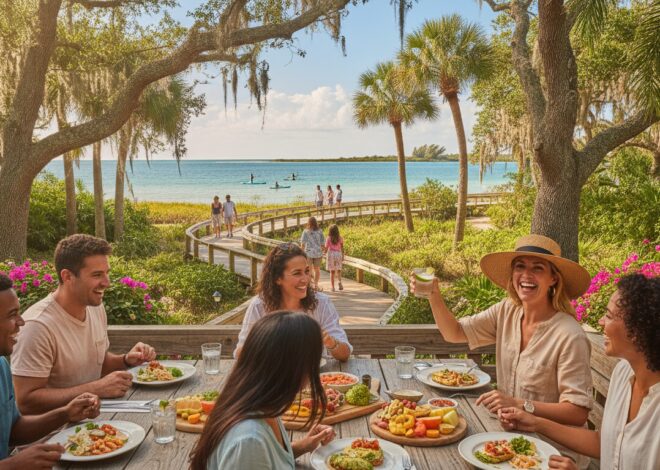
Vero Beach, a jewel on Florida’s Treasure Coast, offers more than just pristine beaches. Venture beyond the coastline, and you’ll discover a vibrant tapestry of wetlands, estuaries, and nature preserves teeming with life, presenting an unparalleled paradise for photographers. From the shimmering expanse of the Indian River Lagoon to the serene boardwalks winding through ancient cypress, this region is a living canvas where every ripple, every feather, and every ray of light tells a story. Prepare to immerse yourself in a world where Florida’s wild heart beats strongest, offering endless opportunities to capture breathtaking moments of natural beauty.
Lagoon Adventures and Estuarine Wonders
The Indian River Lagoon: A Birder’s Paradise
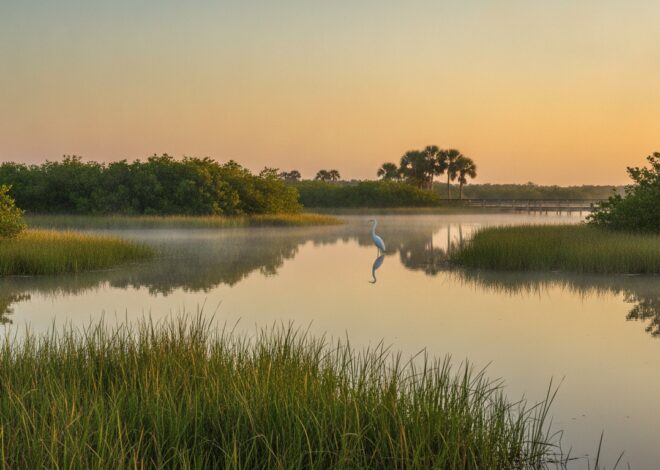
The Indian River Lagoon, one of North America’s most biodiverse estuaries, is a photographer’s dream. Its calm, brackish waters are a sanctuary for a vast array of wading birds, migratory species, and marine life. Early mornings here are particularly magical, as the rising sun paints the water in soft pastels, illuminating feeding herons, elegant egrets, and the powerful flight of ospreys. Kayak or paddleboard excursions offer unique low-angle perspectives, bringing you eye-level with the serene beauty of the mangroves and the creatures that call them home. Look for playful dolphins breaching the surface or the gentle ripples left by a manatee grazing below. The soft light of dawn and dusk creates stunning reflections and silhouettes against the tranquil backdrop.
Round Island Oceanside Park: Mangroves and Manatees
Where the lagoon meets the ocean, Round Island Oceanside Park provides a diverse ecosystem ripe for exploration. Its extensive boardwalks meander through dense mangrove tunnels, offering shaded pathways and unique vantage points for capturing the intricate root systems and the small creatures that inhabit them. This park is a known haven for manatees, especially in cooler months, often seen gracefully gliding through the clear waters of the observation areas. Photographers can spend hours here, focusing on the details of crabs scuttling across the mudflats, the vibrant colors of wading birds, or the peaceful presence of a manatee family. The interplay of light filtering through the mangrove canopy creates dramatic shadows and highlights, perfect for adding depth to your compositions.
Inland Preserves and Trails
Oslo Riverfront Conservation Area: Cypress Swamps and Quiet Trails
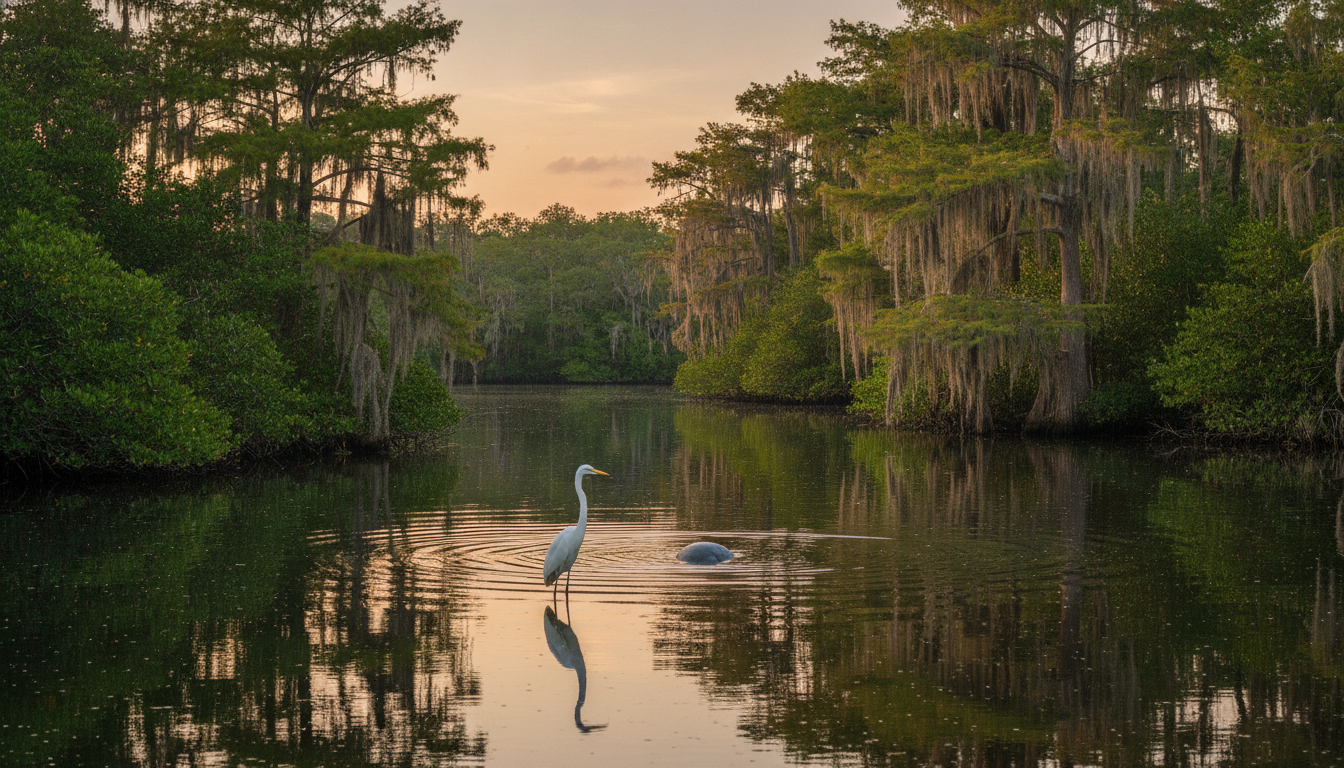
Step into a different world at the Oslo Riverfront Conservation Area, a pristine expanse of cypress swamps, pine flatwoods, and scrub habitats. This preserve offers miles of well-maintained trails and elevated boardwalks that lead you deep into Florida’s native landscapes. Here, the challenge is to capture the quiet majesty of ancient cypress trees, their knees rising from the water, often adorned with air plants and Spanish moss. The light here is often dappled and soft, ideal for close-up shots of wildflowers, insects, and the myriad of songbirds that flit through the canopy. Keep an eye out for alligators basking in sun-drenched clearings or turtles sunning themselves on logs. The tranquility of this area allows for patient observation, yielding intimate portraits of the natural world.
Pelican Island National Wildlife Refuge: Historic Beauty and Iconic Birds
America’s first national wildlife refuge, Pelican Island, is a must-visit for any nature photographer. While access to the island itself is restricted to protect its nesting colonies, the observation deck and surrounding trails provide magnificent views of the island’s teeming birdlife, especially the iconic brown pelicans. Early mornings offer the best light for capturing the pelicans in flight, fishing, or nesting. The expansive views across the lagoon offer opportunities for wide-angle landscape shots, showcasing the vastness of this protected habitat. The island’s rich history as a conservation landmark adds another layer of appreciation to its natural splendor, making every shot a testament to its enduring legacy.
Capturing the Essence
To truly capture the essence of Vero Beach’s wildlife and wetlands, patience is your greatest tool. Observe quietly, respect the natural inhabitants by maintaining a respectful distance, and let the environment reveal its secrets. The soft, diffused light of early mornings and late afternoons is often the most forgiving, enhancing textures and colors without harsh shadows. Focus on composition, looking for leading lines in boardwalks, reflections in still waters, and the intricate patterns of nature.
Vero Beach’s wetlands and wildlife preserves are a treasure trove for photographers, offering a diverse array of landscapes and subjects. Each location provides a unique window into Florida’s vibrant ecosystem, from the majestic Indian River Lagoon to the ancient cypress swamps. These natural havens invite you to slow down, observe, and capture the profound beauty that thrives just beyond the everyday.
Did you capture the perfect Treasure Coast shot? We want to see it! Explore more scenic inspiration at visitverobeach.org, or contact our spotlight team to feature your photography in our upcoming local gallery.
When is the best time of year for wildlife photography in Vero Beach?
The cooler, drier months from November to April often offer the most abundant bird activity as migratory species arrive. Manatees are also more frequently seen in warmer waters during these times. However, Florida’s wildlife is present year-round, so every season offers unique photographic opportunities.
Are the trails and preserves accessible for all skill levels?
Many of Vero Beach’s preserves, like Round Island Oceanside Park and Oslo Riverfront Conservation Area, feature well-maintained boardwalks and relatively flat, easy trails, making them accessible for a wide range of visitors. Always check specific park details for the most current accessibility information.
What types of wildlife can I expect to see?
You can anticipate photographing a rich diversity, including various wading birds (herons, egrets, spoonbills), raptors (ospreys, eagles), pelicans, dolphins, manatees, alligators, turtles, and numerous smaller reptiles, amphibians, and insects. The specific sightings will vary by location and season.