Framing the Wild: A Photographer’s Guide to Vero Beach’s Wetlands and Wildlife
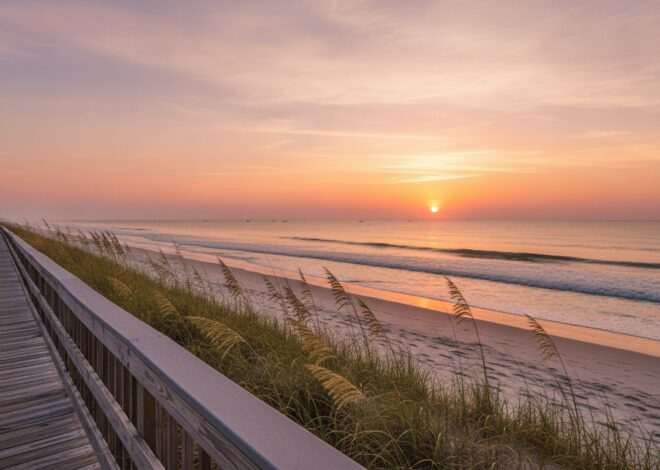
The Florida Treasure Coast is a masterclass in natural artistry. Here, where the temperate zone meets the subtropics, the light filters through ancient, moss-draped oaks and dances across expansive wetlands with a luminous quality that has captivated artists for generations. For the nature and wildlife photographer, Vero Beach serves as an open-air studio. The region offers an unparalleled tapestry of coastal lagoons, dense mangrove forests, and pristine freshwater marshes teeming with life. Whether you are aiming to capture the explosive colors of a sunrise over the lagoon or the quiet, intimate details of Florida’s native fauna, these local nature preserves and lagoon trails offer endless inspiration.
The Lure of the Indian River Lagoon
The Indian River Lagoon is one of the most biodiverse estuaries in North America, serving as the lifeblood of Vero Beach’s coastal ecosystem. Its brackish waters and protected coves provide the perfect backdrop for dramatic wildlife portraits and serene landscape compositions.
Pelican Island National Wildlife Refuge
As America’s first National Wildlife Refuge, this historic sanctuary holds a sacred place in conservation history and is a bucket-list destination for wildlife photographers. Standing on the observation tower, you can gaze out over the water to see the island bustling with avian activity. During the golden hours of early morning, the light strikes the water at a low angle, illuminating the brilliant white plumage of egrets, the deep pink of roseate spoonbills, and the majestic wingspans of wood storks. Capture these birds as they plunge into the water or nest in the low-lying mangroves, using the soft, warm light to emphasize the rich textures of their feathers.
Round Island Beach Park
For those looking to capture Florida’s most iconic gentle giants, Round Island Beach Park is an absolute must-visit. The quiet, sheltered waters of the park’s lagoon side are a preferred gathering spot for West Indian manatees. Walk along the wooden boardwalks and peer into the clear, brackish water. On a calm day, the surface becomes a perfect mirror, reflecting the surrounding mangroves and the sky above. Photographers can capture the gentle ripples of a manatee surfacing for air, or focus on the vibrant blue land crabs scurrying along the roots of the red mangroves.
Into the Quiet Canopy: Inland Trails and Botanical Wonders
Moving away from the open waters of the lagoon, Vero Beach’s inland trails and preserved gardens offer a completely different visual vibe, characterized by deep greens, dappled sunlight, and rich botanical textures.
McKee Botanical Garden
Step into a living canvas where historic charm meets wild tropical beauty. McKee Botanical Garden is a photographer’s paradise, famed for its massive collection of water lilies, towering groves of bamboo, and majestic stone bridges. The canopy here is dense, creating a dramatic interplay of light and shadow on the forest floor. Wander the winding pathways to photograph the vibrant, exotic blooms floating gracefully on quiet ponds, or look up to capture the sun’s rays piercing through the dense palm fronds. The atmosphere here feels ancient and untouched, offering endless macro photography opportunities.
The Lagoon Greenway
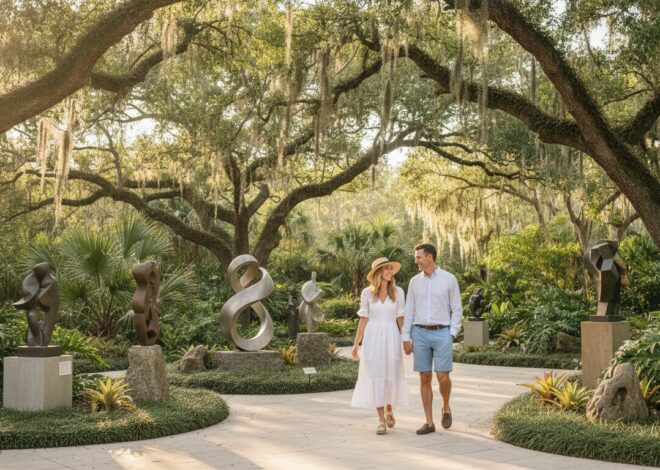
For a rugged, immersive trail experience, the Lagoon Greenway offers miles of multi-purpose trails that wind through maritime hammock and mangrove swamps. The wooden boardwalks that cut through the heart of the swamp provide excellent leading lines for landscape compositions. Keep your eyes peeled for local wildlife; marsh rabbits, osprey, and pileated woodpeckers are frequent residents here. The dappled light filtering through the Spanish moss hanging from live oaks creates a dreamy, ethereal mood that is perfect for fine-art nature photography.
Composition and Lighting Tips for Wetland Photography
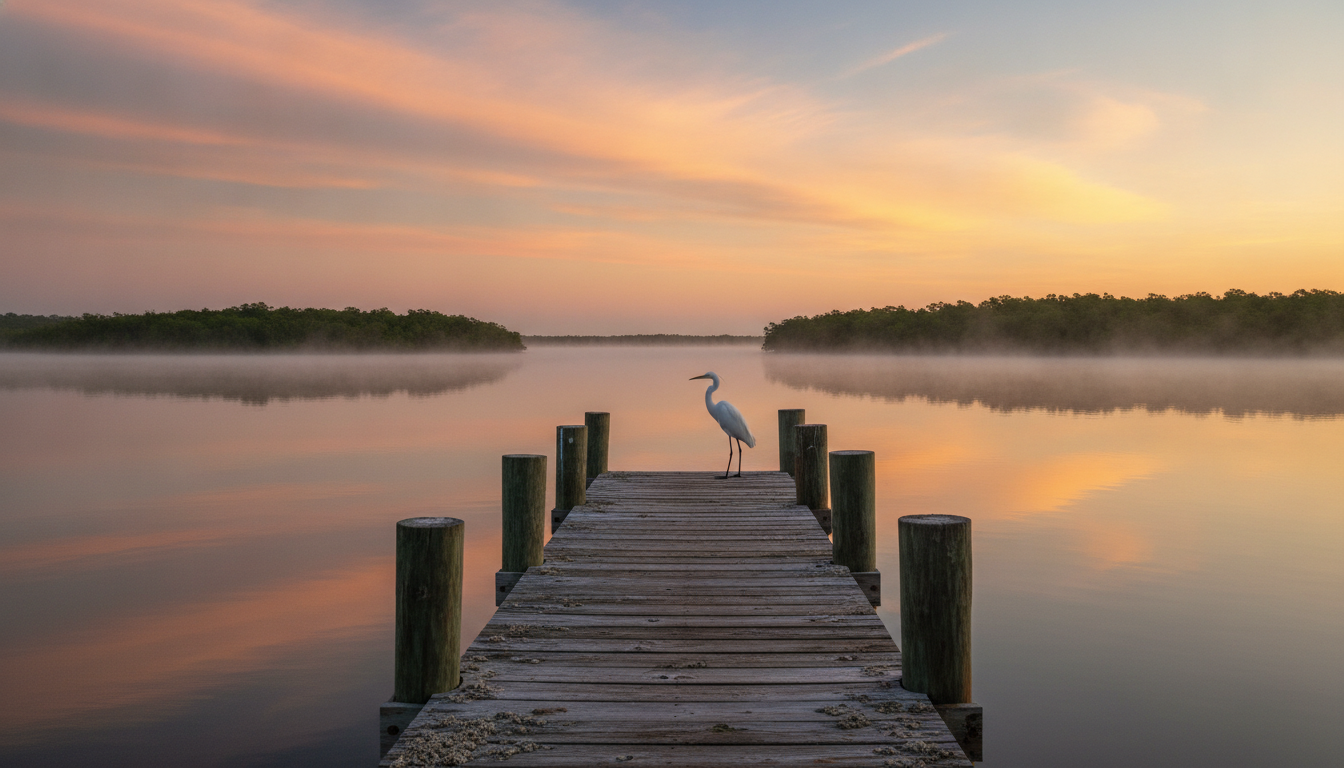
To truly do justice to the landscapes of Vero Beach, timing and composition are everything. The humidity of the Treasure Coast often creates a light morning mist over the wetlands, which diffuses the sunlight and creates a soft, painterly effect. Arriving just before sunrise allows you to capture this moody atmosphere before the sun burns the mist away.
When composing your shots, look for natural frames. Frame a distant wading bird using the arch of a mangrove root or the overhanging branch of a sea grape tree. Utilize the still waters of the lagoons to create perfectly symmetrical reflection shots, which are especially powerful during the dramatic color transitions of dusk.
Did you capture the perfect Treasure Coast shot? We want to see it! Explore more scenic inspiration at visitverobeach.org, or contact our spotlight team to feature your photography in our upcoming local gallery.
Frequently Asked Questions
What is the best time of year to photograph migratory birds in Vero Beach?
The winter months, specifically from November through March, offer the most abundant bird activity. During this cooler season, thousands of migratory waterfowl, songbirds, and birds of prey join the resident species, making it the prime time for wildlife photography.
Are there parking fees or access restrictions at these trails and preserves?
Most public county parks and greenways in the Vero Beach area, including the Lagoon Greenway and Round Island Beach Park, offer free public access and parking. Some specialized botanical gardens and refuges may require standard admission, so it is always best to check their official websites before planning your shoot.
How can I protect my camera gear while shooting in the humid wetlands?
To prevent condensation on your lenses when transitioning from air-conditioned vehicles to the humid outdoors, keep your gear in a sealed camera bag for 15 to 20 minutes to let it acclimate. Always carry a dry microfiber cloth and a blower brush to clear away moisture, salt spray, or dust.